
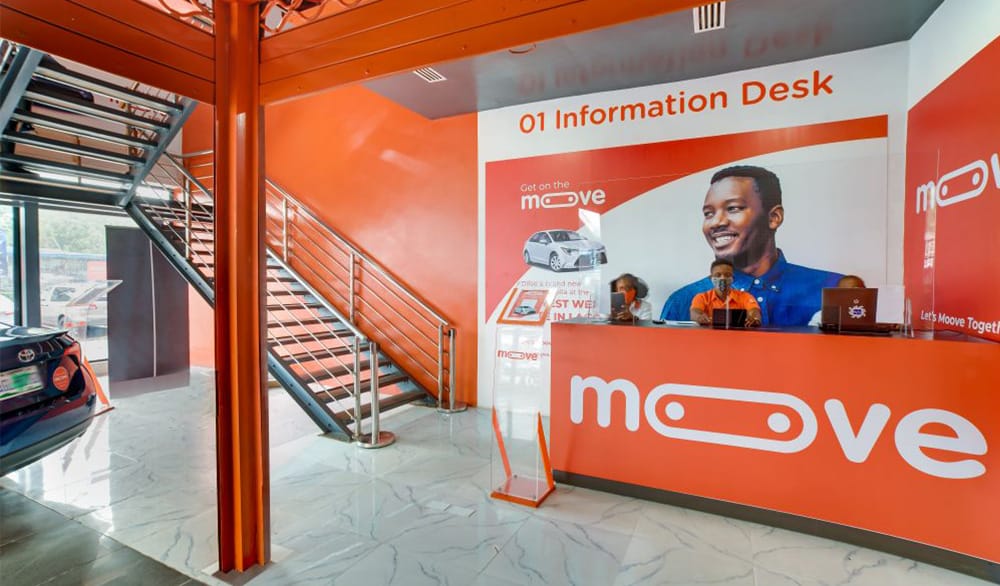
Moove, an international mobility enterprise originally established in Lagos, has officially declared its intention to wrap up its business operations in Nigeria.
As part of its exit strategy, the company founded six years ago, said it will transfer full ownership of eligible vehicles “worth approximately N35 billion” to existing customers at no cost.
The affected customers will take full ownership of the vehicles, with no further payments to Moove required from October 1, 2026.
The company said the move forms part of its plans to conclude its Nigerian operations while ensuring that eligible customers retain the vehicles they have been using under its financing model.
Moove was founded by Ladi Delano and Jide Odunsi and has built its business around providing vehicle financing and mobility solutions to drivers.
The company launched in Nigeria six years ago and expanded its operations by financing vehicles for drivers, particularly those operating on ride-hailing platforms.
Daily Trust reports that the transfer of the vehicles means eligible customers will receive assets collectively valued at about N35 billion without making additional payments to the company.
Moove is a global mobility fintech company that has expanded its operations across several markets, providing vehicle financing and other mobility-related services.
This is coming a few weeks after another global mobility company Uber exited Nigerian operations.
What You Should Know
Moove is shutting down its operations in Nigeria, marking another high-profile exit of a major global mobility company from the country following Uber’s recent departure. Founded six years ago by Ladi Delano and Jide Odunsi, the firm provided vehicle financing solutions primarily for drivers on ride-hailing platforms. As part of its wind-down strategy, the company is handing over full ownership of eligible vehicles valued at approximately N35 billion to active drivers at no additional cost starting October 1, 2026.
- Positive Impact: Eligible drivers and existing customers will receive vehicles worth billions of naira completely free of charge, freeing them from future debt obligations and loan repayments.
- Potential Concerns: The continuous exit of major global mobility and fintech firms highlights growing macroeconomic challenges in the Nigerian market, potentially shrinking formal vehicle financing options for prospective gig workers.