The U.S. Treasury is actively pursuing international backing to swap out the phrase “artificial intelligence” for “super intelligence,” as Washington aims to push this new vocabulary beyond domestic governance and into the framework of global organizations.
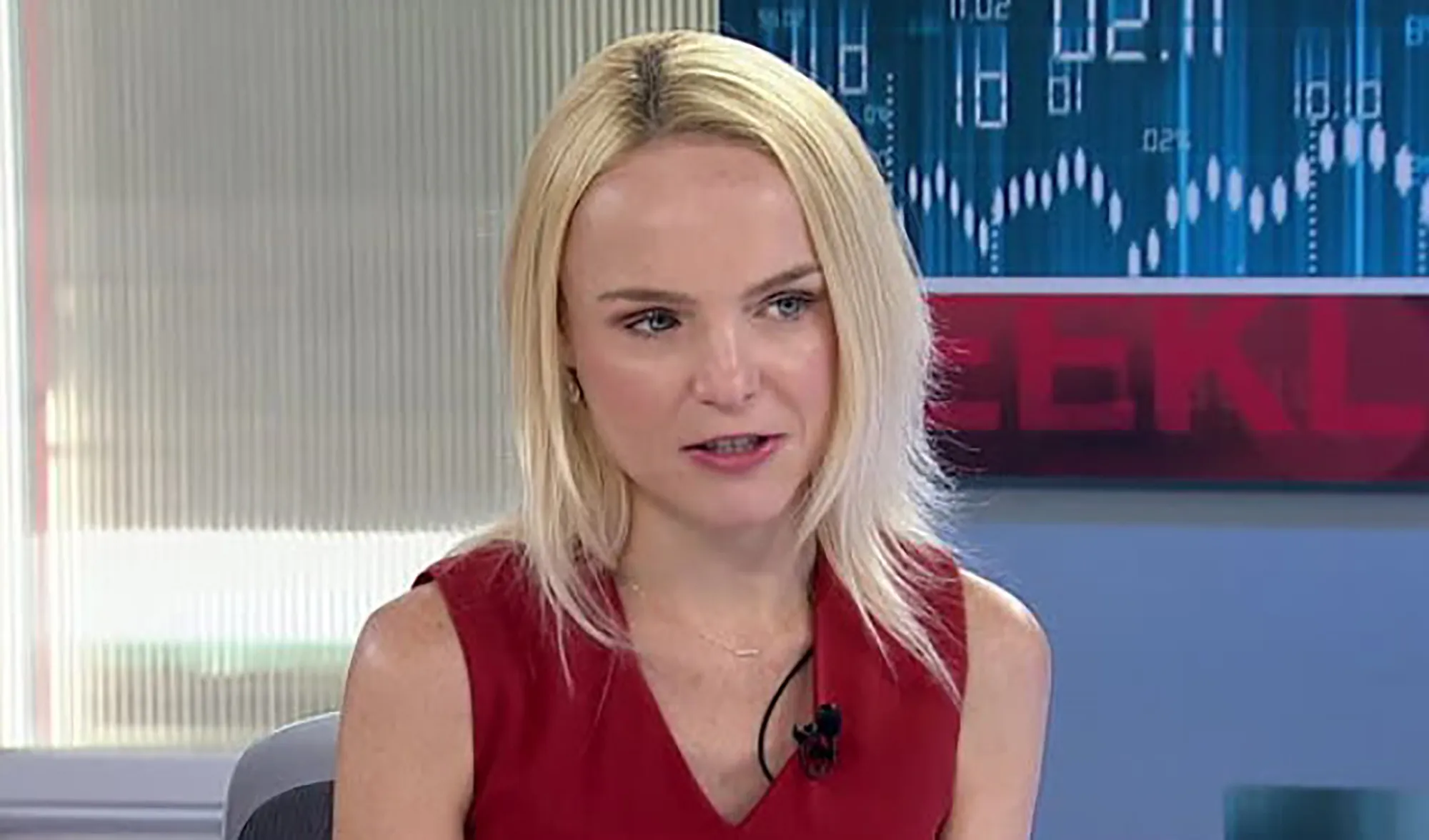
US Treasury Undersecretary for International Affairs Erin Browne told Reuters on Thursday, October 15, that Washington was negotiating with other shareholders of the International Monetary Fund (IMF) over the proposed wording of a statement being prepared by the fund’s steering committee, the International Monetary and Financial Committee (IMFC).
The initiative follows an executive order signed by US President Donald Trump on September 29, directing federal departments and agencies to use “super intelligence,” abbreviated as SI, instead of “artificial intelligence,” or AI, in official communications and other non-statutory documents. The order does not establish the terminology as an internationally recognised replacement for AI.
Browne said the United States wanted the change adopted internationally, arguing that “super intelligence” better reflected the capabilities of increasingly advanced technologies. Washington is also seeking to influence how international institutions discuss the technology and its potential economic benefits.
The United States currently holds the rotating presidency of the Group of 20 major economies, giving Washington another international platform to promote its preferred terminology, according to Reuters.
However, Browne declined to say whether the United States would refuse to endorse the proposed IMFC statement if other members rejected the wording. She said negotiations were still underway and declined to predict their outcome.
A source familiar with the discussions told Reuters that US officials had indicated they intended to insist on the new terminology during negotiations. The proposal reportedly raised concerns among some members of the committee.
If Washington withholds its support for a consensus statement, IMFC chair and Saudi Finance Minister Mohammed Al-Jadaan could issue a separate chair’s statement summarising the views expressed by participating members.
Another option would be to avoid using either “artificial intelligence” or “super intelligence” and refer instead to “new technology,” the source told Reuters. Such an approach could allow the committee to publish a statement without resolving the disagreement over terminology.
The IMFC is scheduled to hold a news conference and release any agreed statement on Saturday, October 17, with Al-Jadaan and IMF Managing Director Kristalina Georgieva expected to lead the announcement.
Browne described the technology as an important driver of economic growth, saying the United States believed its development could support expansion in both the domestic economy and international markets.
She added that many countries were looking to Washington for guidance on setting standards and shaping the future development of super intelligence, particularly its potential to improve productivity and strengthen economic growth worldwide.
What You Should Know
The United States is pushing international financial bodies like the IMF to change how they talk about advanced technology by replacing ‘artificial intelligence’ (AI) with ‘super intelligence’ (SI). This follows a presidential directive inside the US, and American officials are now trying to make it the standard global term during international economic negotiations.
- Positive Impact: Greater alignment on global terminology could help set clearer international standards and focus attention on the massive economic growth and productivity gains tied to advanced technologies.
- Potential Concerns: The push has created diplomatic friction during negotiations, and if the US insists on the wording, it could stall consensus statements among international financial committees.