During the 2026 International Monetary Fund and World Bank Group Annual Meetings held in Bangkok, Thailand, the Federal Government presented an investment pipeline valued at $78.5 billion across 65 projects, while simultaneously advocating for a more equitable global financial structure and a heightened focus on employment generation.
The Federal Government said the projects attracted expressions of interest from investors in Asia and Europe, while Nigeria secured support for power and infrastructure development through World Bank Group guarantee instruments.
The outcomes were disclosed in a statement by Maryann Duke, Senior Special Assistant on Communications and Press Secretary to the Minister of Finance and Coordinating Minister of the Economy, following Nigeria’s participation in the meetings, which ended on October 17.
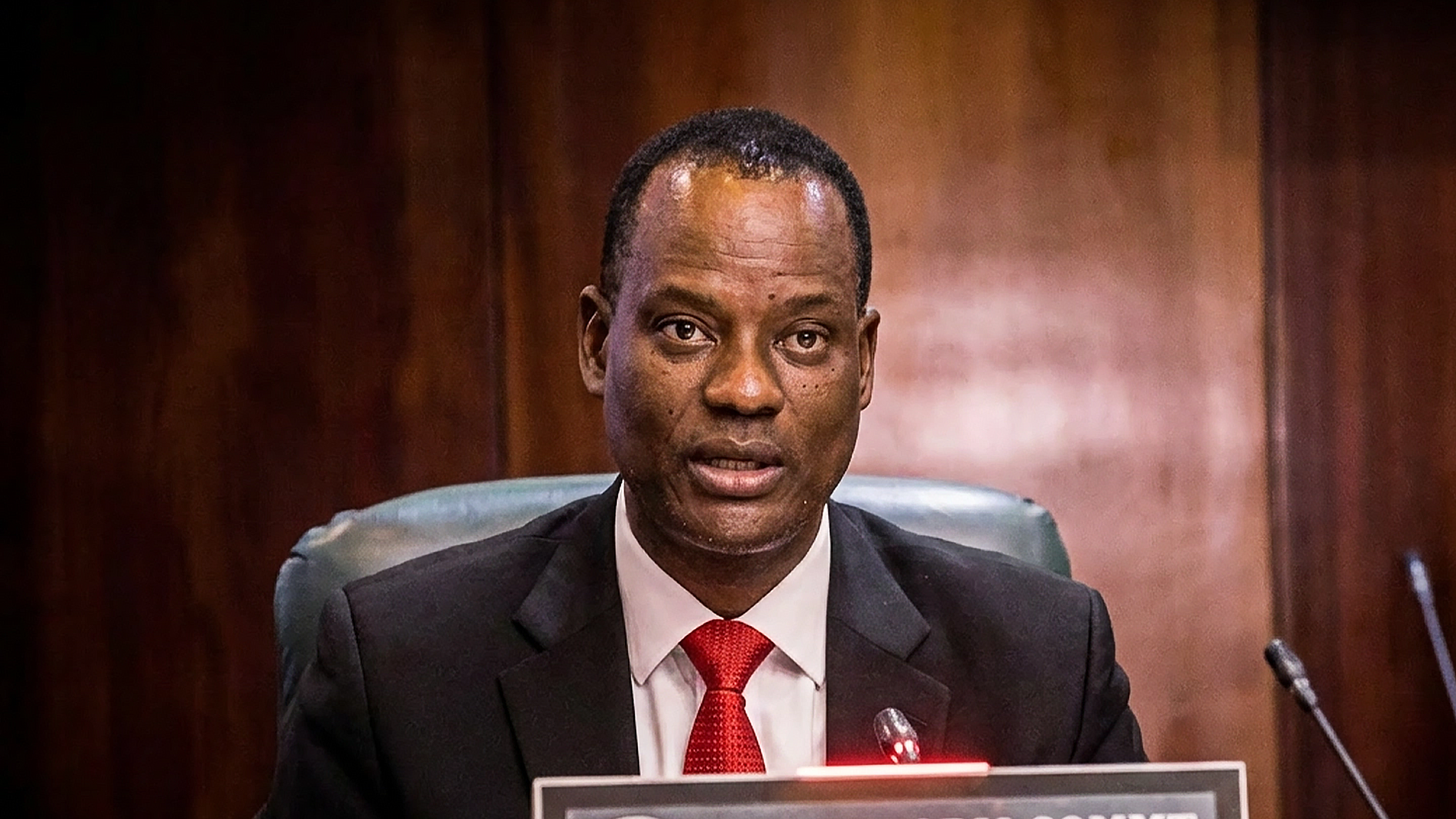
The Nigerian delegation was led by the Minister of Finance, Taiwo Oyedele, and the Governor of the Central Bank of Nigeria, Olayemi Cardoso.
According to the statement, the delegation presented economic indicators showing growth of about 4.4 per cent in the second quarter of 2026, four consecutive months of declining inflation, foreign reserves above $55 billion, a tax-to-GDP ratio of 12.5 per cent and public debt at 36 per cent of GDP.
The government said the engagements also secured continued IMF technical support for fiscal governance, transparency and statistics, alongside commitments from the Japan International Cooperation Agency (JICA), the United States Treasury and the European Union to deepen cooperation with Nigeria.
Nigeria also concluded its chairmanship of the Group of 24, using the platform to advocate for a quota-based IMF system, fairer credit ratings and lower financing costs for developing countries.
Addressing the need to translate economic stability into employment, Oyedele warned that technological advances could drive economic growth without creating enough jobs for young people.
The minister cited projections that 1.2 billion young people would enter the global labour market over the next 10 to 15 years, while only about 400 million jobs would be available, according to the World Bank.
He urged the Bretton Woods institutions to place greater emphasis on employment outcomes when assessing economic progress. “Stability was the first test. Growth that employs our people is the second,” Oyedele said.
The minister also reaffirmed the government’s position against returning to fuel subsidies or multiple exchange rates, according to the statement. The government said the investment pipeline, infrastructure support and international partnerships were part of efforts to sustain economic reforms while expanding opportunities for job creation and private-sector investment.
What You Should Know
Nigeria’s presentation of a massive $78.5 billion investment pipeline at the global meetings highlights the government’s ongoing push to attract international capital into critical sectors like power and infrastructure.
- Positive Impact: Successful execution of these 65 projects can drastically improve public infrastructure, boost power supply, and generate employment opportunities for the country’s growing youth population.
- Potential Concerns: Translating these high-level financial commitments and expressions of interest into actual operational jobs remains a significant challenge, especially as global economic instability persists.