The federal administration has reiterated that its ultimate economic objective remains the attainment of single-digit inflation, reassuring Nigerians that the ongoing structural reforms championed by President Bola Ahmed Tinubu are structured to reinforce the national economy while prioritizing the welfare of the citizenry.
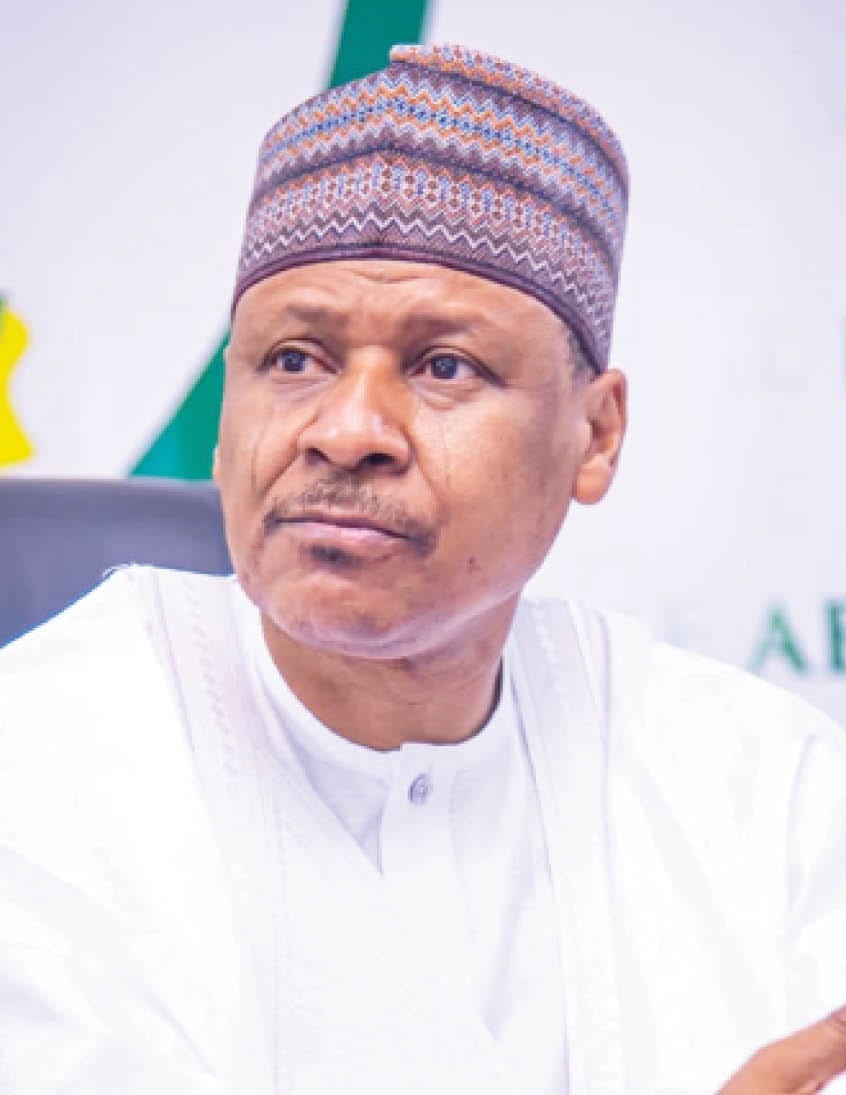
Speaking during a media briefing and subsequent interactive session with senior editors in Abuja, the Minister of Information and National Orientation, Alhaji Mohammed Idris, said Nigeria remains on track to achieve an economic growth rate of over four per cent in 2026.
Idris disclosed that inflation had dropped significantly from approximately 27 per cent in January 2025 to around 15 per cent, adding that government policies are aimed at driving down price levels further into single digits.
Highlighting macroeconomic performance, the minister revealed that Nigeria’s external reserves exceeded $54 billion in September, reaching their highest level in nearly two decades.
He said Nigeria recorded a current account surplus of $12 billion in the first half of 2026, up from $8.6 billion in the corresponding period of 2025.
The minister said that domestic crude oil production had expanded following a reduction in oil theft, while non-oil exports generated over $6 billion in 2025, marking the highest yield in the country’s history.
However, the minister acknowledged that the administration must ensure these macroeconomic gains translate into direct benefits for citizens, particularly regarding food prices, transportation costs, and general household expenditure.
“President Bola Ahmed Tinubu remains firmly committed to the economic reforms that are strengthening our country, while ensuring that the welfare of Nigerians remains paramount,” Idris said.
He acknowledged the pressure of higher energy costs on households and businesses, adding that the government is determined to translate economic recovery into improved purchasing power and better living conditions by expanding affordable energy alternatives and boosting domestic production.
Idris clarified that the recent decision of the Nigerian National Petroleum Company Limited (NNPCL) to absorb part of its profit margin to cushion pump prices does not signal a return to the petrol subsidy regime.
Dismissing assertions that the government adopted a “knee-jerk” approach or acted in response to attacks from opposition parties, the Minister maintained that extensive consultations involving economic experts and top NNPC leadership preceded the intervention.
He explained that rather than reversing the administration’s core policy on subsidy removal, NNPCL acted strictly within its corporate mandate as a limited liability company to forego a fraction of its operational profits.
What You Should Know
The Federal Government has outlined its positive macroeconomic indicators, including a drop in inflation to around 15 percent, increased external reserves, and a growing current account surplus. Officials maintain that ongoing policy reforms under President Bola Ahmed Tinubu are systematically strengthening the economy while addressing energy costs and domestic production challenges.
- Positive Impact: Citizens could experience long-term economic stability, improved purchasing power, and enhanced living conditions as reforms take full effect and local production increases.
- Potential Concerns: Households and businesses continue to face immediate pressures from high energy costs and general inflation, even as the government works to translate broader economic recovery into tangible relief at the consumer level.