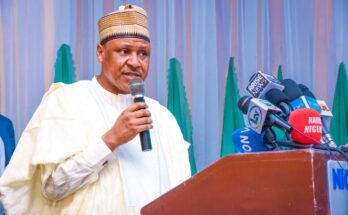

The United Nations Children’s Fund (UNICEF) has urged Nigeria to rely more on research, evidence and lessons from previous programmes when developing policies and interventions aimed at improving the wellbeing of children. UNICEF Representative in Nigeria, Wafaa Saeed, made the call in Abuja at the Knowledge Management Summit 2026, organised by UNICEF in partnership with the Federal Government through the Child Rights Information Bureau. Saeed said knowledge management should go beyond collecting and storing information, stressing that evidence generated from research must be translated into policies and programmes that deliver measurable and sustainable results. “We need to reflect and pause and see what we are learning and how we can use that learning to improve our work so that we have impact, so that we have sustainability, and so that we also reach all children, no matter where they are,” she said. She also advocated greater participation of children and young people in generating knowledge used to shape policies and programmes affecting them. According to her, young people should not be treated merely as recipients of information but should participate in creating and shaping the knowledge that informs decisions. “When you work with co-creation, when you get people from the beginning, then they already own the knowledge, and they can work on it,” she said. Suzanne Suh of the United Nations Resident Coordinator’s Office said research, evaluations and assessments were essential to evidence-based decision-making, accountability and effective allocation of resources. “Knowledge management provides accountability and transparency. Data allows us to track commitments, measure progress, and hold ourselves accountable,” she said. Suh called for increased investment in systems that generate disaggregated data while ensuring that children’s experiences and perspectives are reflected in research. Also speaking, UNICEF Nigeria’s Chief of Planning and Monitoring, Wayne Bacale, said the summit should lead to concrete action rather than end with discussions. “This effort to share, learn and put knowledge into action should not end here. It is a process. It’s a journey,” he said.
Credit to our Media Partner DailyTrust .