

The 2026 Northern Nigeria Satellite and Digital Media Power Index revealed a striking reality about the region’s media industry. Northern Nigeria commands one of Africa’s largest indigenous language audiences, yet many of its media organisations continue to struggle financially. This contradiction should concern policymakers, investors, media owners and business leaders alike.
The data tells an impressive story. Television stations and digital platforms such as Liberty TV, Labari TV, Dadin Kowa, Farin Wata TV, Bakori TV, Safra Movies, Algaita TV and others collectively reach millions of viewers across satellite television, terrestrial broadcasting, digital streaming and social media platforms. Some channels boast hundreds of thousands, and in some cases millions, of digital followers and subscribers.
The problem is not audience deficiency. It is market organisation.
The consequences are visible throughout the industry. Limited revenues mean limited investment in technology. Limited investment means reduced production quality. Reduced production quality affects competitiveness. The cycle then repeats itself.
The irony is that Northern media already possesses the most important asset required for commercial success: audience loyalty.
The rise of Hausa-language entertainment platforms demonstrates this clearly. Channels focusing on drama, movies and cultural programming have attracted enormous digital followings. Some entertainment platforms now command audiences that rival or exceed those of many mainstream broadcasters. Their success proves that Northern audiences are highly engaged and willing to consume locally produced content.
Yet audience engagement alone does not automatically translate into revenue. The missing link is collaboration and strategic positioning.
Another challenge is the tendency to view media primarily as a political tool rather than an economic enterprise. Elections come and go. Governments change. Sustainable media businesses require stable commercial foundations. The future of Northern media cannot depend entirely on political cycles. It must be built on audiences, content, innovation and business strategy.
The stakes are high because media is not merely an industry; it is an economic ecosystem. Strong media organisations create jobs for journalists, producers, writers, actors, editors, graphic designers, marketers and technology professionals. They stimulate creative industries and attract investment. Weak media organisations, by contrast, limit opportunities for economic growth and cultural influence.
The Northern Media Power Index should, therefore, serve as both a source of pride and a wake-up call. The audience exists. The market exists. The cultural influence exists. What is missing is the commercial structure required to convert audience numbers into sustainable wealth.
Northern Nigeria has spent decades emphasising its population size as a political advantage. It is time to begin viewing that population as an economic resource. Every viewer, listener, subscriber and social media follower represents potential economic value. Every television station and digital platform represents a gateway to a vast consumer market.
The future belongs to media organisations that can transform attention into revenue and audiences into economic power. Northern media already possesses the numbers. What it lacks is the collective strategy needed to unlock their value.
Unless this changes, the region will continue to produce large audiences that generate wealth for others. If it does change, Northern Nigeria could build one of Africa’s most powerful indigenous media economies.
The choice is clear. The numbers are already on the table. The time has come to convert influence into income, audience into investment, and media reach into economic prosperity.
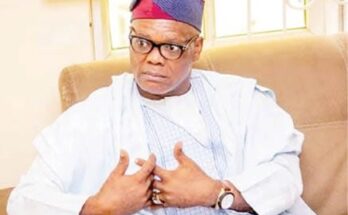
Toro is a veteran journalist, he lives in Wuse Abuja
This news development was originally reported by our media partner DailyTrust Home .