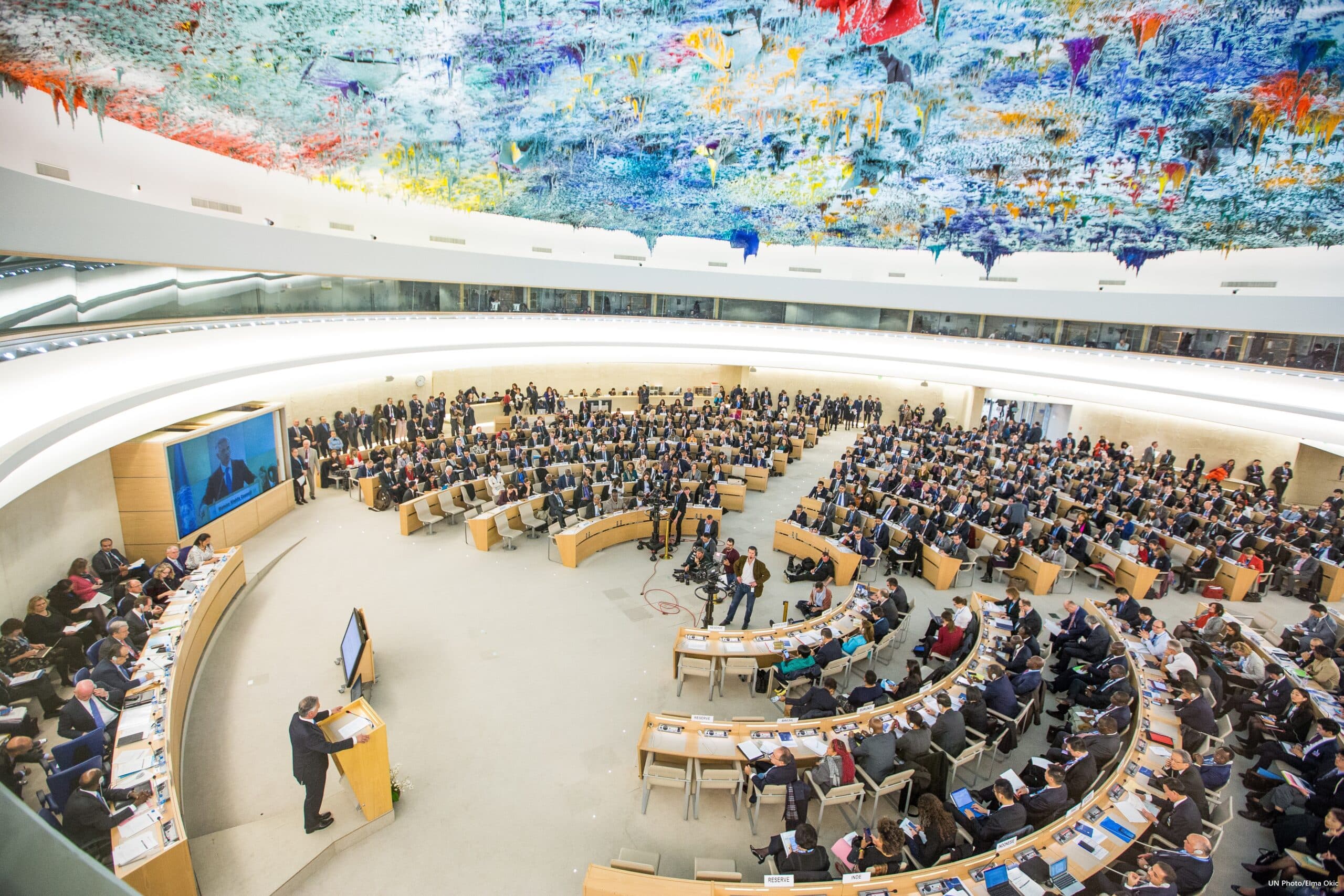
Nigeria has officially secured a position on the United Nations Human Rights Council during the ongoing session of the United Nations General Assembly.
The country scored 172 votes out of 181 to get a place into the Council of 15 members expected to serve between 2027 to 2029.
Other countries elected into the Council are Brazil, Burundi, Dominican Republic, Germany, Ghana, Ireland, Japan, Jordan, Kuwait, Nepal, Republic of Moldovan, Ukraine, Uruguay and Zambia.
The roles of the United Nations Human Rights Council (UNHRC) include: Protection of human rights around the world: Promote respect for human rights by all countries; Investigate human rights violations and abuses; Recommend solutions to human rights problems; Review countries’ human rights records regularly; Protect vulnerable groups, including women, children and minorities; Promote equality and fight discrimination.
Encourage international cooperation on human rights issues; Support human rights education and awareness and; Respond to emergencies involving serious human rights violations.
The benefits of being elected into the UN Human Rights Council include international recognition; influence in decision-making; stronger diplomacy; promotion of national interests; improved human rights protection; greater global visibility; sharing experiences and increased responsibility.
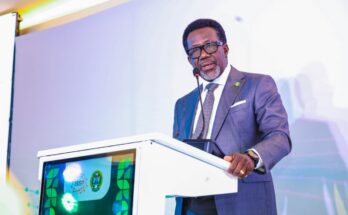
Meanwhile, Nigeria Permanent Representative to the United Nations, Dr Jimoh Ibrahim has sent a congratulatory message to President Bola Tinubu on the election of the country.
What You Should Know
Nigeria has been voted onto the prestigious United Nations Human Rights Council for the 2027 to 2029 term after securing 172 votes out of 181 at the UN General Assembly. This development places the country among a select group of nations tasked with investigating human rights abuses, protecting vulnerable groups, and promoting global standards.
- Positive Impact: Being on the council enhances Nigeria’s international diplomacy, boosts global visibility, and provides a platform to actively influence international human rights policies and cooperation.
- Potential Concerns: The new role comes with increased international scrutiny regarding the country’s own domestic human rights records, requiring continuous improvement and accountability at home.