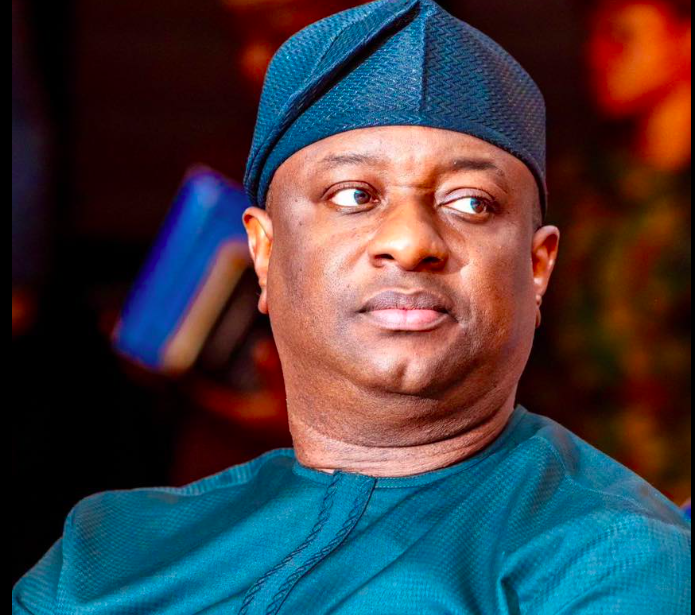
Festus Keyamo, the Minister of Aviation and Aerospace Development, has taken a sarcastic swipe at the trending ‘Rig and Die’ phrase, claiming the slogan will make it difficult for politicians to blame their election losses on rigging.
In a post on X on Thursday, he questioned how those using the slogan would substantiate claims of electoral malpractice, suggesting they would have to account for the number of people killed on election day.
He said: “On a sarcastic note, the new buzz phrase ‘rig and die’ should excite all of us and we should all embrace it.”
Explaining his position, the minister said the slogan could make it difficult for political actors to attribute electoral defeats to rigging when they had previously promoted the phrase.
He added: “The simple reason is that when those who are now trumpeting it lose woefully in a free and fair context, it will be impossible for them to hide their humiliation at the polls under the guise of ‘rigging’ as they have always done.”
Keyamo further questioned the logic behind linking alleged electoral malpractice to the number of people killed during elections.
He said: “This is because we will ask them how many ‘riggers’ they killed on the election day, because the number of those killed by them should be directly proportional to the amount of ‘rigging’ that took place!”
He concluded by saying: “In other words, they need to show how many people they killed to prove the election was rigged!! Chai!!”
What You Should Know
Festus Keyamo is mocking a new political catchphrase, ‘Rig and Die.’ He argues that this slogan actually traps politicians who use it because if they lose an election and claim it was rigged, the public will expect to see proof of the ‘consequences’ they promised.
- The Logic: Keyamo believes that if politicians cannot show that they dealt with ‘riggers’ on election day, it will be impossible for them to hide their defeat behind excuses of electoral fraud.
- Potential Concerns: While intended as sarcasm, the use of violent imagery in political slogans can heighten tensions and normalize aggressive language during election seasons.