
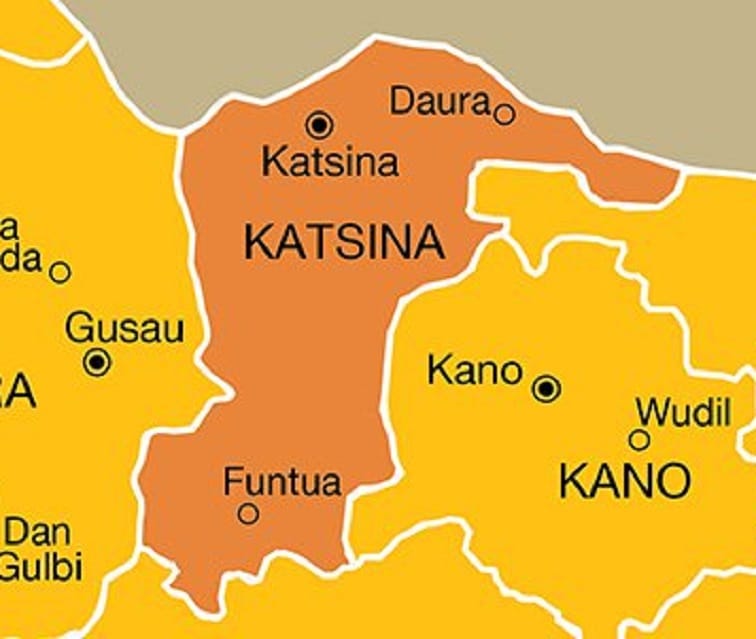
No fewer than sixty-four students at Government Science Secondary School in Batagarawa, Katsina State, have been admitted to medical facilities following adverse physical reactions to medication distributed during a recent Bilharzia prevention and treatment exercise.
The students were taken to Ahmadi Rimi General Hospital and Turai Yar’Adua Maternal and Child Hospital in Katsina after experiencing symptoms including vomiting, abdominal discomfort and dizziness.
The incident sparked anxiety among parents and members of the school community, particularly after some of the affected students were reportedly brought to the hospital unconscious.
“They were brought to the hospital unconscious,” the Medical Director of Ahmadi Rimi General Hospital, Dr Auwal Sani, said.
He added that the affected students were responding to treatment.
A parent, who visited his children at the hospital, also confirmed to Daily Trust that they are recovering.
Two of the affected students, Abubakar Muhammad Khairi and Hassan Muhammad, who spoke to Daily Trust, said the drugs were administered after their heights had been measured.
According to the students, the number of tablets given to each student varied, with some receiving three tablets, others two, and some one tablet, depending on their height.
It was not immediately clear whether height was the sole basis for determining the dosage or whether other clinical considerations were taken into account.
A parent, Maaruf Sani, who visited his affected children at the hospital, said they had recovered from the reactions.
The Katsina State Commissioner for Basic and Secondary Education, Yusuf Sulaiman Jibia, confirmed the incident, saying all the affected students had recovered and were being prepared to return to school.
“The affected students have fully recovered, and we are making arrangements for their return to school,” Jibia said.
He explained that the drug administration exercise was carried out by the Primary Health Care authorities in collaboration with Batagarawa Local Government Area.
The commissioner assured parents and residents that there was no cause for alarm, saying the government would investigate the incident to establish what went wrong.
Jibia added that the students were being provided with food before their return to school.
Bilharzia, also known as schistosomiasis, is a parasitic disease associated with exposure to contaminated freshwater.
However, the precise cause of the reactions experienced by the students remains unclear. No official findings had been released as of the time of filing this report to establish whether the incident was linked to the medication, its dosage or other factors.
Officials said preventive treatment programmes are conducted in affected communities to reduce the burden of the disease.
What You Should Know
A routine health campaign turned alarming when over sixty students developed symptoms like vomiting, dizziness, and abdominal discomfort after receiving medication for Bilharzia, a parasitic disease linked to contaminated water.
- Positive Impact: Preventive health programs aim to reduce the burden of parasitic diseases in vulnerable communities across the country.
- Potential Concerns: The incident raises serious questions regarding drug administration protocols, dosage determination based on height, and safety monitoring during school health exercises.