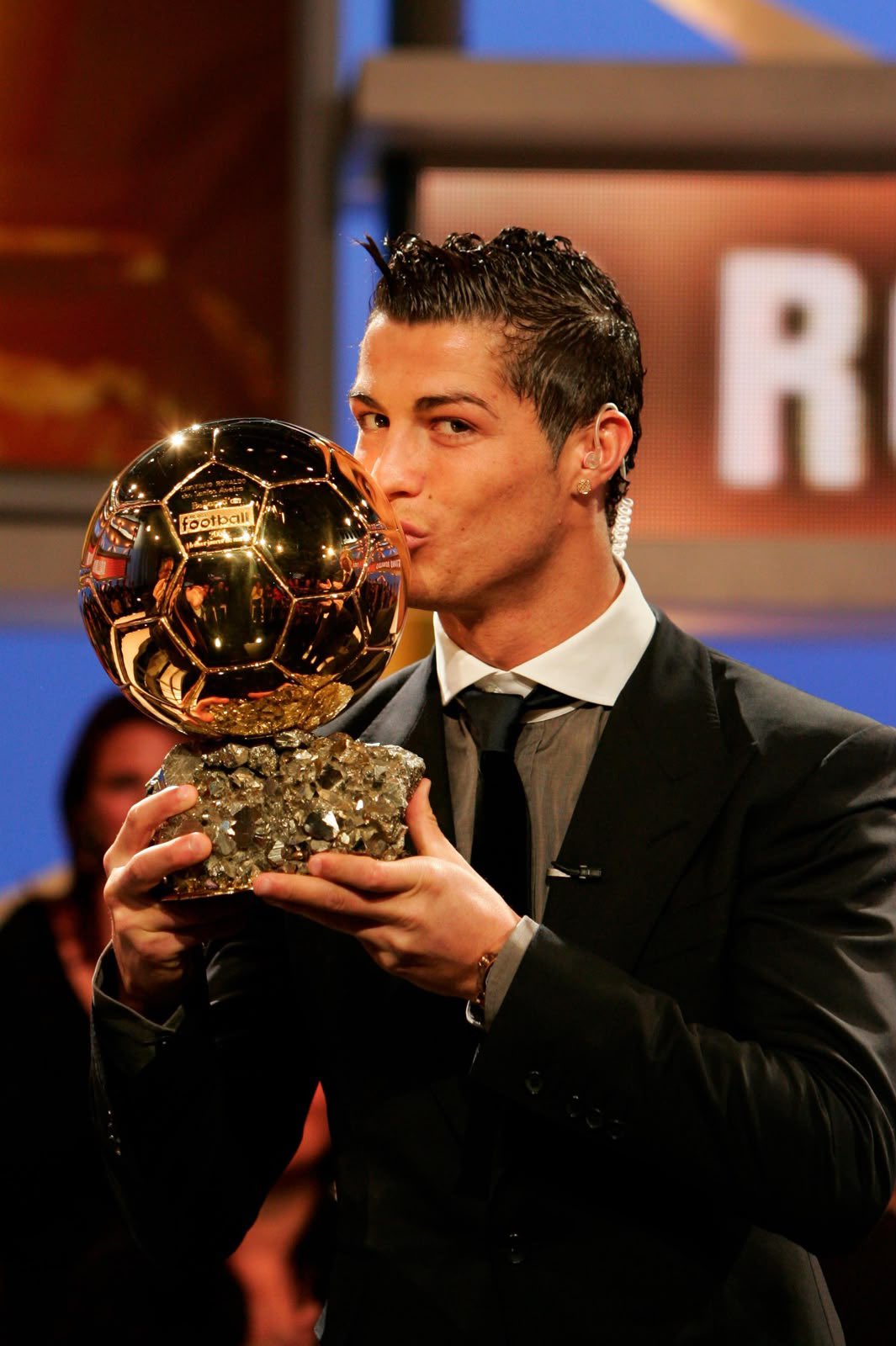
Cristiano Ronaldo has officially retired from international football, concluding a legendary 23-year career with the Portugal national team that cemented his legacy as one of the greatest players to ever play the game.
The 41-year-old announced his retirement from international football on Thursday, November 5, 2026, handing back the iconic number seven shirt after making 234 appearances and scoring a record 146 goals for his country.
From his debut as a teenager in 2003 to captaining Portugal to European glory in 2016 and winning two UEFA Nations League titles, Ronaldo’s international career was defined by records, milestones, heartbreak and historic achievements.
Here are 23 defining moments and achievements from Cristiano Ronaldo’s 23 years as a Portuguese international.
The 23 defining moments
Ronaldo made his senior debut for Portugal on August 20, 2003, against Kazakhstan. At just 18, he came on as a substitute and began what would become one of football’s longest and most decorated international careers.
2. Euro 2004: Announcing himself on the big stage
At his first major international tournament, Ronaldo scored against Greece and the Netherlands as Portugal reached the European Championship final on home soil.
Portugal, however, suffered a 1–0 defeat to Greece.
3. His first major international final
Although Portugal lost the Euro 2004 final, Ronaldo’s emotional reaction after the defeat revealed how much representing his country meant to him.
The tournament marked the emergence of a future national icon.
4.Germany 2006: First World Cup appearance
Ronaldo featured in his first FIFA World Cup in Germany, scoring against Iran from the penalty spot.
Portugal reached the semi-finals before losing to France and eventually finished fourth.
5. Becoming Portugal’s captain
Following the retirement of Luís Figo from international football, Ronaldo assumed greater leadership responsibilities and became Portugal’s captain, a role he would occupy for much of the remainder of his international career.
6. Euro 2008: Carrying the captain’s armband
Ronaldo captained Portugal at the 2008 European Championship in Austria and Switzerland.
He scored against the Czech Republic, but Portugal’s campaign ended in the quarter-finals against Germany.
7. South Africa 2010: Leading Portugal at another World Cup
Ronaldo captained Portugal at the 2010 World Cup, scoring once against North Korea in a 7–0 group-stage victory. Portugal were eliminated by eventual champions Spain in the round of 16.
8. Euro 2012: Taking Portugal to the semi-finals
Ronaldo delivered an impressive tournament in Poland and Ukraine, scoring three goals, including a decisive brace against the Netherlands. Portugal reached the semi-finals but lost to Spain on penalties.
9. Brazil 2014: Another World Cup milestone
Ronaldo represented Portugal at his third World Cup, scoring against Ghana. Portugal, however, exited in the group stage after finishing behind Germany and the United States on goal difference.
10. Euro 2016: Delivering Portugal’s first major trophy
One of the defining moments of his career came in France in 2016 when Ronaldo captained Portugal to their first European Championship title.
Despite being forced off with an injury in the final against France, he continued encouraging his teammates from the touchline as Portugal secured a 1–0 extra-time victory.
11. Becoming Portugal’s all-time leading scorer
Ronaldo continued to extend his goalscoring record, establishing himself as Portugal’s most prolific international player and moving beyond the achievements of previous national-team greats.
12. 2017: Reaching the Confederations Cup semi-finals
Ronaldo helped Portugal finish third at the FIFA Confederations Cup in Russia, scoring in the group stage against Russia and New Zealand.
Portugal lost to Chile in the semi-finals before defeating Mexico in the third-place match.
13. Russia 2018: The unforgettable hat-trick against Spain
Ronaldo produced one of the greatest individual performances in World Cup history with a hat-trick in Portugal’s 3–3 draw against Spain.
His late free-kick completed the treble and underlined his ability to deliver on football’s biggest stage.
Ronaldo captained Portugal to victory in the inaugural UEFA Nations League, scoring a memorable hat-trick against Switzerland in the semi-finals. Portugal defeated the Netherlands 1–0 in the final to claim another international trophy.
15. Becoming the second man to score 100 international goals
In September 2020, Ronaldo reached the 100-goal milestone for Portugal with a brace against Sweden in the UEFA Nations League.
He became only the second male footballer to achieve the feat at international level.
Ronaldo surpassed Iran’s Ali Daei’s longstanding record of 109 international goals when he scored twice against the Republic of Ireland.
The achievement made him the highest goalscorer in men’s international football history.
17. Qatar 2022: Making another World Cup appearance
Ronaldo became the first male player to score in five different FIFA World Cups when he converted a penalty against Ghana.
Portugal reached the quarter-finals but lost 1–0 to Morocco, bringing another World Cup campaign to an end.
Ronaldo broke the world record for the most international appearances by a male footballer when he earned his 197th cap against Liechtenstein.
Ronaldo broke the world record for the most international appearances by a male footballer when he earned his 197th cap against Liechtenstein.
Ronaldo reached the unprecedented 200-cap milestone against Iceland in a European Championship qualifier.
He celebrated the achievement by scoring an 89th-minute winner, giving Portugal a 1–0 victory.
20. Euro 2024: Making history with a sixth European Championship
Ronaldo became the first male footballer to feature in six European Championship tournaments when he represented Portugal in Germany.
Although he did not score, he contributed to Portugal’s campaign, which ended in the quarter-finals following a penalty shootout defeat to France.
21. 2025: Winning a second Nations League title
Ronaldo added another major international honour when Portugal defeated Spain in the 2025 UEFA Nations League final.
He scored in the final before Portugal triumphed on penalties, giving him his third major international trophy as captain.
22. 2026: Completing a historic six World Cup appearances
Ronaldo became the first player to score at six different FIFA World Cup tournaments, extending his record-breaking international legacy.
His final international goal tally reached 146, while his appearances for Portugal climbed to 234.
After 23 years, Ronaldo announced his retirement from international football, bringing an extraordinary chapter to a close.
In his farewell message, he said:
“I never felt it belonged to me alone, but for 23 years I had the privilege and responsibility of wearing it, defending it and carrying it with me into stadiums all around the world.”
He added: “Today the time has come to pass it on to the future.”
His final international record stands at 234 appearances and 146 goals, making him the most-capped male international footballer and the leading goalscorer in men’s international football.
24 years? No — 23 years, but a lifetime of records.
Ronaldo leaves Portugal with two European Championship and Nations League triumphs combined, six World Cup appearances, six European Championship appearances, 146 international goals and 234 caps.
His records and career milestones are documented by UEFA and FIFA, while his retirement announcement was confirmed by Reuters.
Portugal will remember its number seven.
What You Should Know
Cristiano Ronaldo, one of the most famous athletes in the world, is stepping away from the international stage at the age of 41. After over two decades of play, he leaves as the highest-scoring male player in history, having led Portugal to their first-ever major trophies at Euro 2016 and the 2019 Nations League.
- Positive Impact: His career serves as a masterclass in longevity and discipline, inspiring millions of young people to pursue sports and professional excellence.
- Potential Concerns: His departure marks a massive shift for international football and fans worldwide, as the sport loses its most recognizable figure on the national team stage.