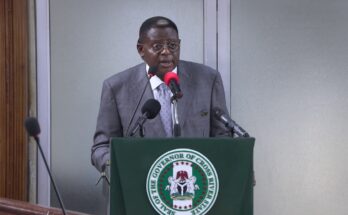
No fewer than 180 widows residing within the Abaji Area Council of the Federal Capital Territory have been given financial assistance by the Speaker of the local legislative arm, Abdullahi Baba Yahaya, to help ease the burden of the ongoing economic crunch. Yahaya, who represents the North-East Ward, handed over N10,000 to each recipient, totaling N1.8 million, during a gathering at the council conference hall. The beneficiaries hailed from the Nuku/Sabon Gari, Central, and South-East wards. According to the Speaker, the recipients were carefully chosen from various homes to offer them succor during these difficult economic times. He added that the outreach was inspired by council chairman Abubakar Umar Abdullahi, whom he praised for his long-standing dedication to assisting widows, orphans, and other vulnerable citizens.
Yahaya disclosed that arrangements were underway for a second phase of the empowerment programme next month, which would extend assistance to other widows, orphans and vulnerable persons.
He urged his fellow councillors to emulate the gesture by supporting widows and orphans in their respective wards, saying such interventions would complement the efforts of the council administration to improve the welfare of vulnerable residents.
On the relationship between the legislative and executive arms of the council, Yahaya described it as cordial, adding that both arms had been working together to ensure residents felt the impact of democracy.
He said the legislative arm remained committed to supporting initiatives that would improve the welfare of residents across the area council.
What You Should Know
The Speaker of the Abaji Area Council’s legislative arm has initiated a financial support program, distributing cash relief to 180 widows to help them cope with rising living costs in the FCT.
- Positive Impact: Provides direct financial relief to vulnerable women, helping them meet basic daily needs amid economic challenges.
- Potential Concerns: The cash grants are small and distributed to a limited number of people, meaning long-term economic solutions are still needed for broader poverty alleviation.