
The Independent National Electoral Commission (INEC) is facing renewed scrutiny regarding claims that it secretly established 453 extra polling units nationwide without informing the public or engaging major electoral stakeholders ahead of the upcoming 2027 general elections.
The alleged development has raised questions about transparency and accountability within the electoral body, particularly as the commission continues to publicly maintain that Nigeria has 176,846 polling units.
Some news report alleged that the number of polling units nationwide had increased to 177,299, representing an additional 453 units.
The commission has, however, explained that the reported changes to polling units in some states were connected to a court ruling that led to the creation of new constituencies in Kogi, Benue and Delta states.
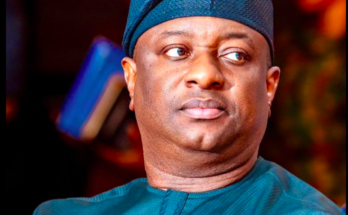
INEC Deputy Director of Information and Publicity, Wilfred Osilama Ifogah, disclosed this during an interview with Trust TV on Wednesday, assuring that the commission would explain the exercise to stakeholders after completing its internal processes.
Ifogah said the commission was not conducting the exercise secretly, suggesting that information about the changes might have been leaked by an insider before INEC was ready to make an official announcement.
He explained that the creation of new constituencies following the court ruling would naturally affect the wards and polling units within the affected areas.
According to him, the commission needed to ensure that all aspects of the exercise were properly examined before making the details public.
He said the current exercise was different from the 2020 polling unit expansion, when INEC converted existing voting points into standalone polling units to address congestion and improve voters’ access to polling locations.
Ifogah recalled that the earlier exercise was aimed at decongesting polling units with large numbers of registered voters, although some voters subsequently complained about being moved to different locations.
He, however, said the commission ensured that the new polling units were not located too far from the voters’ previous locations.
However, his explanation did not specifically confirm the reported figure of 453 additional polling units or provide their state-by-state breakdown.
The commission is yet to publish the full details of the alleged changes, including the locations of the affected polling units and the administrative processes through which they were established.
The controversy comes amid growing scrutiny of INEC’s preparations for the 2027 general elections, particularly following concerns over suspicious photographs and questionable entries in the commission’s preliminary Register of Voters.
The commission had earlier acknowledged concerns over photographs suspected to have been generated using artificial intelligence on some voter profiles.
In a statement issued on October 27 and signed by the Chairman of its Information and Voter Education Committee, Mohammed Kudu Haruna, INEC said it was reviewing the affected records and investigating possible technical or procedural lapses.
What You Should Know
Reports that INEC created hundreds of additional polling units without public notification have sparked transparency concerns as preparations for the 2027 elections get underway. While the electoral body attributes these adjustments to a court ruling affecting specific constituencies, the lack of an immediate, detailed breakdown has fueled public apprehension.
- Positive Impact: Adjustments tied to court-mandated constituency reviews could eventually improve voting access and administrative organization in the affected states.
- Potential Concerns: A lack of transparency and consultation regarding changes to electoral infrastructure risks eroding public trust in the electoral process and raises questions about adherence to due process.