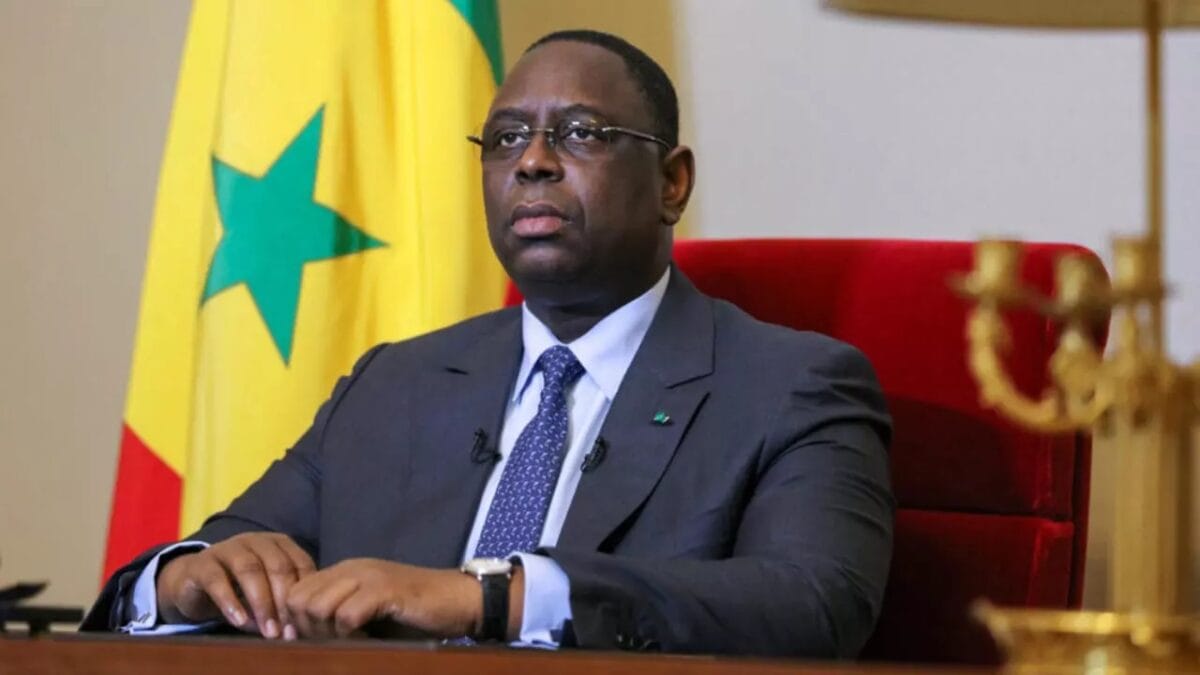
Macky Sall, the former president of Senegal, has stepped back from his bid to become the next United Nations Secretary-General. This decision comes after an informal vote by the Security Council showed he lacked the necessary backing to move forward.
Sall announced his decision following the Council’s October 16 informal ballot to assess support for candidates seeking to succeed António Guterres.
In a statement, Sall said he had consulted Burundi’s President Évariste Ndayishimiye and Senegalese President Bassirou Diomaye Faye before withdrawing.
Ndayishimiye currently chairs the African Union, while Faye chairs the Economic Community of West African States (ECOWAS).
Sall said he withdrew with a sense of responsibility, hoping to facilitate the emergence of a consensus candidate within the Security Council.
He acknowledged that successive informal ballots had indicated support for a candidate from Latin America and the Caribbean, potentially a woman.
The former Senegalese leader received five encouraging votes and 10 discouraging votes in Friday’s ballot, according to the results.
Three of the discouraging votes reportedly came from permanent members of the Security Council, whose opposition could prevent a candidate’s recommendation.
Sall maintained that Africa must continue making its voice heard and strengthening its representation in international governance.
The former president also called for substantial reforms to the UN’s working methods amid escalating conflicts, geopolitical divisions and economic difficulties.
Sall’s withdrawal follows months of controversy surrounding attempts to secure collective African backing for his candidacy.
Nigeria was among the African Union Member States that objected to the proposed endorsement procedure, questioning its legitimacy and consistency with established diplomatic practice.
Nigeria had also argued that the next UN Secretary-General should emerge from Latin America and the Caribbean under the informal principle of regional rotation.
Nigeria’s earlier diplomatic position questioned the wisdom of departing from that convention and warned of possible consequences for Africa’s future multilateral interests.
What You Should Know
Macky Sall’s withdrawal from the UN Secretary-General race highlights the complex diplomatic negotiations involved in securing global leadership roles. His exit follows an informal Security Council ballot where he failed to secure enough support, with notable pushback from permanent members and disagreements from nations like Nigeria regarding regional rotation principles.
- Positive Impact: Opens up opportunities for other qualified candidates—particularly from Latin America and the Caribbean—to vie for the position in line with informal regional rotation customs.
- Potential Concerns: Reflects ongoing geopolitical divisions and debates over how leadership roles are distributed, reminding African nations of the challenges in unifying positions on international representation.