
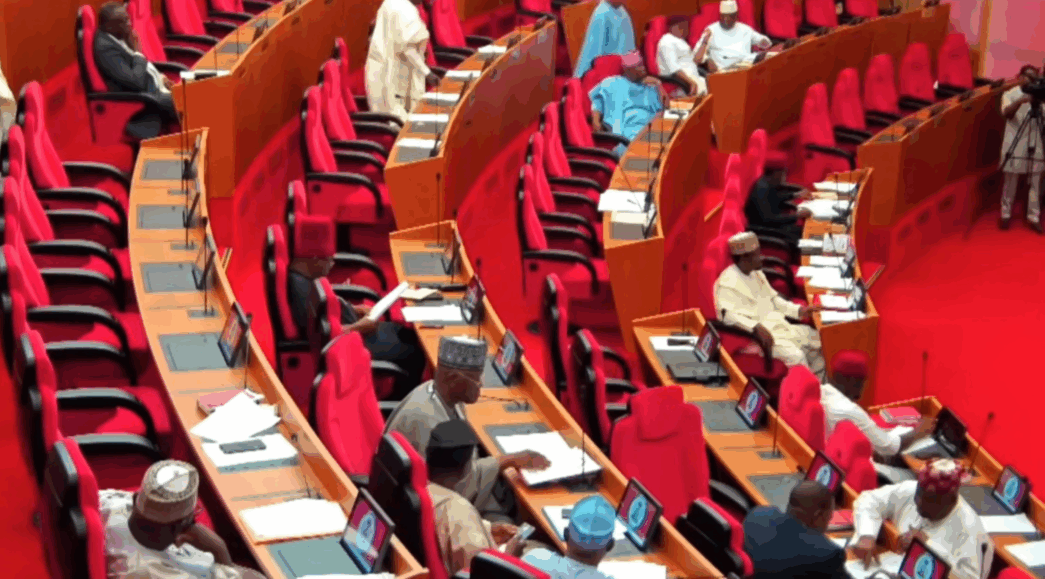
As worries mount regarding ongoing security challenges across Nigeria, momentum is building for the creation of state police forces. Records as of October 21, 2026, show that 13 out of the 36 State Houses of Assembly have thrown their weight behind the proposed constitutional change.
More Podcasts
However, the proposal still needs approval from at least 24 state assemblies, raising questions about the progress of the reform and whether decentralising policing can improve public safety while preventing political interference.
Today on Nigeria Daily, we examine whether Nigeria is finally moving towards decentralised policing and what it could mean for communities battling insecurity.
What You Should Know
The ongoing debate over decentralising Nigeria’s policing system has reached a critical stage as state lawmakers push for constitutional reforms to allow regional security structures. While supporters argue that state police will improve response times and community safety, critics remain cautious about potential political abuse by state governors.
- Positive Impact: Local security agencies could respond faster to grassroots emergencies and have better intelligence on local criminal networks.
- Potential Concerns: There are widespread fears that state governments might misuse local police forces against political opponents or struggle with adequate funding and equipment.