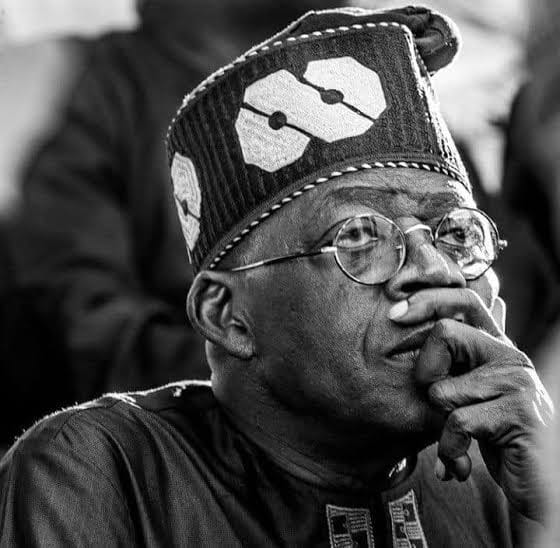
Political campaigns in Nigeria have traditionally served as massive spectacles where ruling parties demonstrate their grassroots strength and nationwide dominance. Past leaders including Olusegun Obasanjo, Goodluck Jonathan, and Muhammadu Buhari strictly adhered to this ritual by visiting every state. However, President Bola Ahmed Tinubu has broken with tradition by declaring he will not participate in all nationwide campaign stops, prioritizing governance and state duties instead. This historic shift has ignited intense discussions regarding its ultimate impact on the All Progressives Congress.
Traditionally, incumbents have used campaign tours as a way to reinforce their legitimacy, strengthen and mobilise their supporters. The sight of a president standing on a podium, waving to cheering crowds, has always been a symbolic reassurance that the leader is connected to the people. Tinubu’s refusal to follow this script signals a shift in priorities.
The Nigerian state is facing challenges of insecurity, high cost of living, high cost of petrol and other economic and political challenges. By limiting his campaign presence, Tinubu is projecting himself as a leader who values governance over politicking. In a country where citizens often complain that politicians spend more time campaigning than governing, this stance could resonate with voters who crave stability and seriousness.
Yet, the symbolism cuts both ways. His absence from rallies may weaken the party’s visibility in certain regions. Delegates such as Vice President Kashim Shettima, governors, and members of the APC Presidential Campaign Council will have to shoulder the burden of motivating and mobilising supporters. This delegation will test the strength of APC’s internal cohesion and organisational capacity, especially in areas where Tinubu’s personal presence might have been crucial.
For the APC, Tinubu’s strategy is both an opportunity and a risk. On one hand, it allows the president to project himself as a statesman focused on governance. On the other, it risks creating a perception of detachment. Nigerian politics thrives on visibility. A candidate’s physical presence at rallies often carries more weight than policy pronouncements. Therefore, opposition parties may exploit this gap. They will emphasise their own candidate’s accessibility and grassroots engagement, contrasting it with Tinubu’s limited presence.
The challenge is not just about filling stadiums; it is about convincing voters that the APC remains united and energised. If managed effectively, this could set a new precedent in Nigerian politics; one where incumbents balance governance with selective campaigning. If mismanaged, it risks creating a perception of distance between the president and the electorate, potentially affecting APC’s momentum. Tinubu’s decision also raises broader questions about the balance between governance and campaigning. Nigeria’s political calendar often forces incumbents into a dilemma; should they devote time to managing the affairs of state or to securing electoral victories?
In many democracies, incumbents rely heavily on surrogates to campaign on their behalf. In the United States, for example, presidents often delegate campaign duties to vice presidents, party leaders, and surrogates while focusing on governance. Tinubu’s approach mirrors this model, though it is relatively new in Nigeria’s political context. This shift could be healthy for Nigerian democracy. It indicates that governance should not grind to a halt simply because elections are approaching. However, it also demands that the APC build a strong organisational structure capable of sustaining momentum without the constant presence of its leader.
Consequently, opposition parties will undoubtedly seize on Tinubu’s selective tours as a campaign issue. They may frame it as evidence of detachment or lack of having good health and strength. By conducting fullscale tours, they can present themselves as more accessible and connected to the grassroots. This could resonate in regions where personal contact with leaders is highly valued. In Nigeria’s political culture, voters often equate physical presence with commitment. A handshake, a smile, or a rally appearance can carry symbolic weight far beyond policy speeches.
Perhaps the greatest challenge lies within the APC itself. Delegating campaign responsibilities requires trust, discipline, and unity. If governors, party leaders, and campaign council members fail to coordinate effectively, the party risks appearing fragmented. Tinubu’s absence will test whether the APC can function as a cohesive unit. It will reveal whether the party’s strength lies solely in its leader or in its organisational capacity. For a ruling party, this is a crucial test. A successful campaign without the constant presence of the president would demonstrate maturity and resilience. A failed campaign would expose weaknesses that opponents could exploit.
President Bola Ahmed Tinubu’s decision to limit his campaign tours is a bold departure from tradition. For the APC, it is both an opportunity to project seriousness and a risk of appearing detached. The effectiveness of this strategy will depend on how well the party’s surrogates can replicate Tinubu’s authority and charisma. It will test the APC’s internal cohesion and organisational strength. It will also shape the narrative of the opposition, who will undoubtedly exploit the gap. Ultimately, Tinubu’s choice could set a new precedent in Nigerian politics. If managed effectively, it may usher in a culture where incumbents balance governance with selective campaigning. If not, it risks weakening the APC’s momentum and creating a perception of distance between the president and the electorates.
What You Should Know
President Bola Ahmed Tinubu has decided to skip visiting every state for campaign rallies, choosing instead to focus on his official duties of governance. This marks a major change from how previous Nigerian presidents handled elections.
- Positive Impact: It ensures that governance and the daily management of national economic challenges do not grind to a complete halt just because an election cycle is approaching.
- Potential Concerns: His physical absence from rallies could weaken the ruling party’s visibility in certain regions and place heavy pressure on party surrogates to keep supporters motivated.