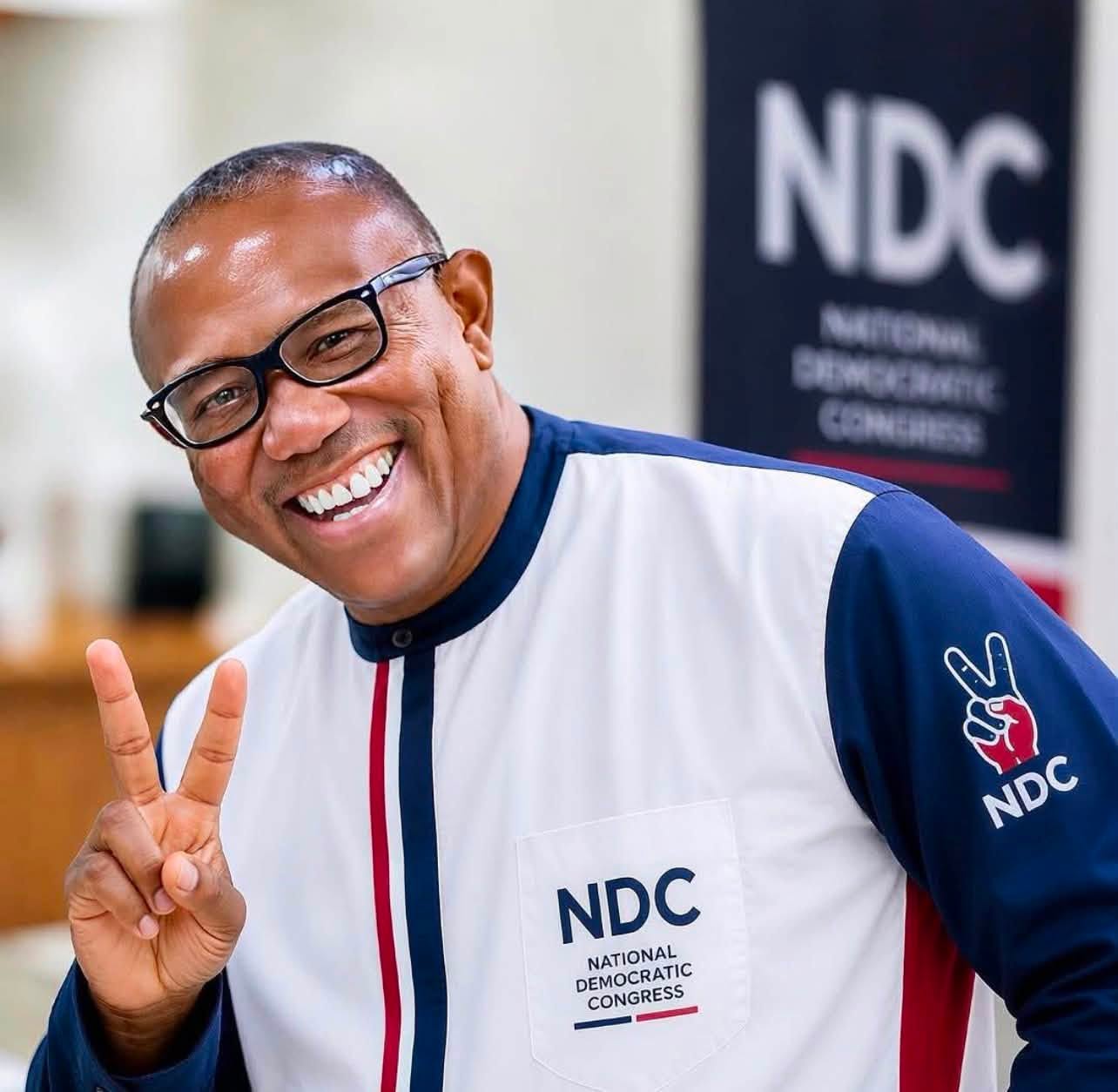
Peter Obi, the presidential candidate for the Nigerian Democratic Congress (NDC), is facing intense social media criticism after suggesting that Nigeria’s wealth would increase if leaders left more public funds in interest-bearing bank accounts.
Obi made the remark while recounting his experience as governor of Anambra State, arguing that money saved by responsible leaders could have accumulated over time and provided substantial resources for the country.
“If everybody in this country left money in the bank, they have interest, Nigeria would have been so rich,” he said in a video shared by Vanguard Newspapers on X.
He added that the funds he left in three different banks after leaving office could have generated interest, presenting the decision as an example of prudent management of public resources.
The former Anambra governor also criticised what he described as a tendency for dishonest people to gang up against those who act honestly.
“In Nigeria, to be honest is to be a criminal; to be a criminal is to be honest,” Obi said.
He also claimed to have recorded the best performance in basic education among state governors during his tenure, citing an assessment involving Professor Paul Collier of the University of Oxford.
The remarks triggered a heated debate on X, with several users questioning whether keeping public funds in bank accounts should be considered an achievement when governments have pressing responsibilities to provide infrastructure and essential services.
Some critics argued that public funds should be invested in roads, schools, hospitals, water supply and other facilities that improve living standards and support economic growth.
One user, Lorenzo Il Magnifico, argued that a large bank balance could benefit financial institutions without necessarily improving public infrastructure.
Another user, Wealth231, questioned how leaving money in banks would alleviate poverty, while others challenged Obi to explain how his savings policy would translate into tangible benefits for ordinary Nigerians.
Some commenters also raised questions about the condition of Anambra State after Obi’s eight-year administration, disputing his claims about his record in education and other sectors.
Others questioned the circumstances surrounding the funds reportedly left in the banks, including whether the state had outstanding financial obligations during his tenure. The comments did not, however, establish the validity of those allegations.
Not all reactions were critical. Some users defended the principle of saving public funds, arguing that governments should avoid waste and excessive borrowing while building reserves for future needs.
One commenter argued that savings could provide a buffer against economic shocks, while another pointed to the importance of investing carefully rather than spending public money without regard for long-term sustainability.
The debate reflected a broader disagreement over how governments should balance fiscal discipline with immediate spending on public services and infrastructure.
The discussion also became increasingly political, with some commenters using the controversy to question Obi’s suitability for the presidency ahead of the 2027 general election.
Others resorted to personal insults and ethnic attacks against Obi and his supporters, taking the conversation beyond the economic argument that prompted it.
Obi, who was the Labour Party’s presidential candidate in the 2023 election, is now the NDC’s presidential candidate for 2027.
The controversy has put renewed focus on his record as Anambra governor and his approach to managing public finances.
While savings and interest earnings can strengthen government finances, the wider policy question is how such reserves should be balanced against investment in infrastructure, healthcare, education and other public needs.
What You Should Know
Peter Obi, the NDC presidential candidate for 2027, sparked a heated debate by arguing that government savings can generate significant interest for the country. Using his time as Anambra Governor as an example, he suggested that ‘honest’ leadership involves keeping cash reserves rather than spending everything immediately.
- Positive Impact: Saving public funds can build a financial buffer for future needs, reduce the government’s dependence on high-interest loans, and generate extra revenue through bank interest.
- Potential Concerns: Critics argue that money sitting in banks does nothing to fix Nigeria’s immediate problems like bad roads, failing hospitals, and poor school systems, which require active investment to grow the economy.