Muslim leaders have appealed to both federal and state authorities to take decisive action against the economic, security, political, and educational hurdles currently impacting the Muslim community.
They said Muslims were confronted with various challenges daily and urged the authorities to take urgent steps to improve their welfare.
The leaders also called on Muslims to uphold the teachings of the Qur’an and live peacefully with their neighbours.
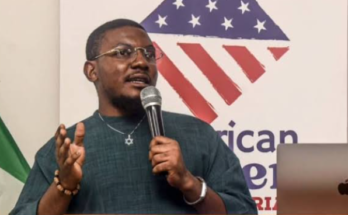
They made the call at the first state convention of the Muslim Ummah in Kebbi State, which had the theme, “Building a Strong Ummah through Islamic Brotherhood and Cooperation.”
Speaking at the event, the State Amir of the Muslim Ummah, Dr Muhammad Mujtaba Abubakar, said the convention was aimed at strengthening brotherhood and unity among Muslims, irrespective of their religious sects.
He described the gathering as a follow-up to the national programme of the National Islamic Centre held last year in Jalingo, Taraba State.
He said the programme brought together members of the two major Izala groups, different Tariqa organisations, the Muslim Sisters Organisation, the National Council Of Muslim Youth Organisations (NACOMYO) and the Muslim Students’ Society of Nigeria (MSSN), among others.
Abubakar listed the establishment of Haliru Abdu Juma’at Mosque, Ummah Academy and Ummah Primary School as some of the achievements of the organisation in Kebbi State.
Other speakers included the Chairman of the organisation’s Shura Committee, Dr Isma’il Chindo Gotomo; guest speaker, Professor Babangida Muhammad, who was represented by Malam Adamu Abdullahi; and the state Commissioner for Religious Affairs, Arch. Sani Aliyu.
They cautioned Muslims against divisions, saying such differences could lead to religious disharmony.
The convention attracted participants from various branches of the organisation, including Islamic groups, technocrats and academics from within and outside Kebbi State.
What You Should Know
Leaders from various Islamic organizations recently met in Kebbi State to discuss the significant hardships facing their community, ranging from rising insecurity to economic instability. They are pushing for better government intervention and stronger cooperation among different religious groups to improve social welfare and access to quality education.
- Positive Impact: Greater cooperation between different religious sects can lead to more peaceful coexistence and the development of community-driven projects like new schools and welfare programs.
- Potential Concerns: Without immediate and concrete government action on inflation and security, these calls for reform may take a long time to reflect in the daily lives of citizens.