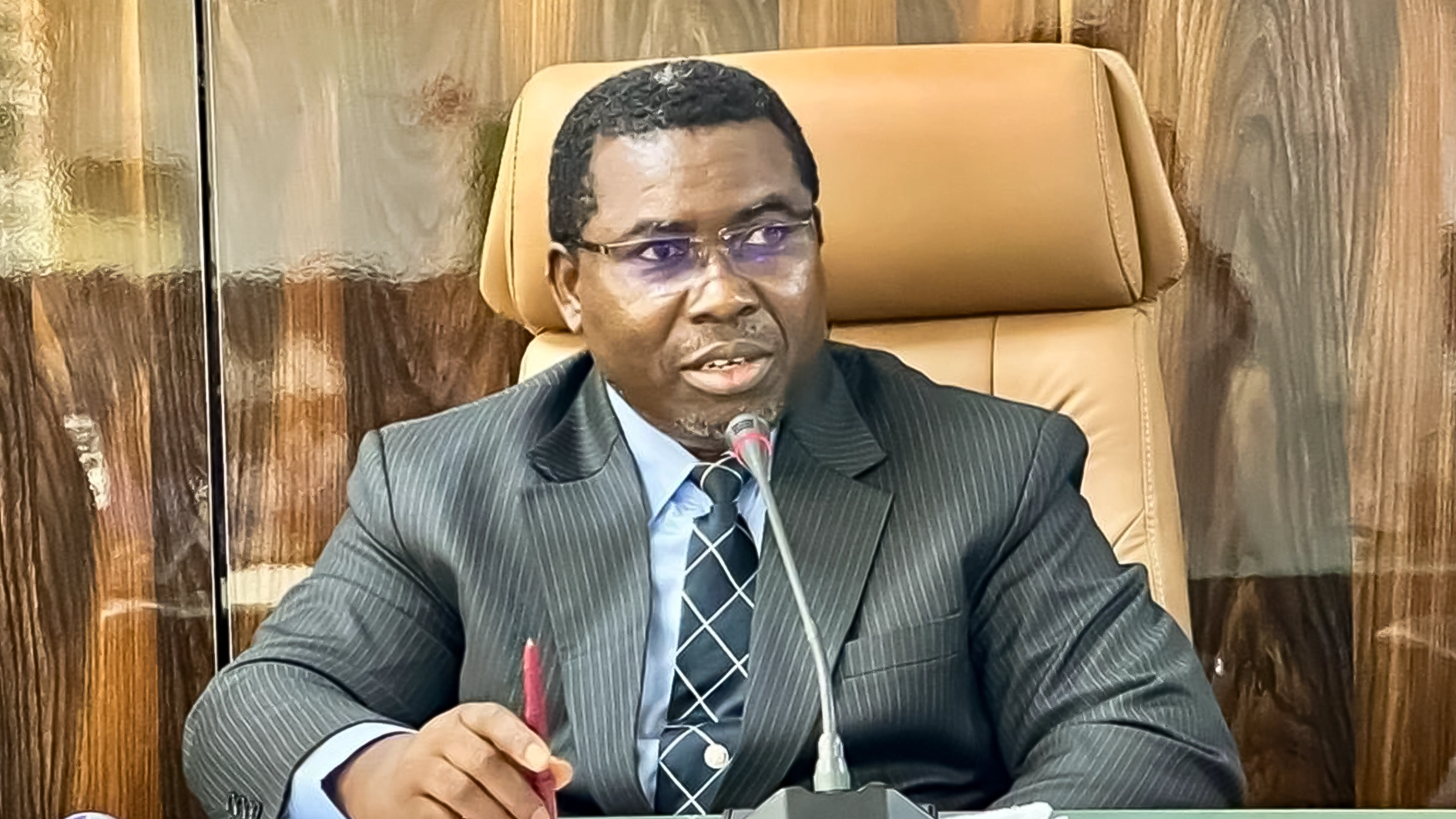
Prof. Joash Amupitan, Chairman of the Independent National Electoral Commission (INEC), has called on members of the upcoming 2027 Election Petition Tribunals to steer clear of technicalities that could undermine true justice, emphasizing that the genuine outcome of the ballot must always prevail.
Amupitan said the credibility of Nigeria’s 2027 general elections would depend not only on how efficiently INEC conducts the polls but also on how transparently, courageously and fairly election disputes are resolved by the judiciary.
He gave the charge on Monday in Abuja while delivering the Commission’s opening remarks at a three-day workshop for Justices of the Court of Appeal and members of the Election Petition Tribunals.
The workshop, organised by the Court of Appeal at the Body of Benchers Complex, was themed “Election Tribunal as a Tool for Political Stability.”
Addressing the tribunal members, the INEC chairman urged them to demonstrate integrity, maintain firm control of their courtrooms and ensure that justice is not only done but seen to be done.
He said their responsibility went beyond resolving disputes between political parties and candidates, describing the courts as critical institutions for preserving public confidence in constitutional governance.
Amupitan noted that the legitimacy of Nigeria’s democracy rested on two pillars: impartial electoral administration and fearless judicial adjudication.
He described election tribunals as constitutional mechanisms for resolving political disputes and preventing electoral disagreements from degenerating into wider instability.
According to him, tribunal decisions must be guided by credible evidence, procedural discipline and impartiality, while ensuring that genuine complaints are determined on their merits.
The INEC chairman also drew attention to the increasing complexity of election litigation, particularly disputes involving voter accreditation, electronic transmission of results, technological failures and the integrity of digital records.
On the use of the Bimodal Voter Accreditation System (BVAS) and the INEC Result Viewing Portal (IReV), he said technology should neither be treated as infallible nor dismissed simply because evidence is electronic.
He said INEC had issued the Regulations and Guidelines for the Conduct of Elections, 2026, to provide clearer operational standards for assessing allegations of electoral non-compliance.
Amupitan further warned that artificial intelligence-generated disinformation, cloned audio and deepfake videos could emerge as major challenges in the 2027 election disputes.
He urged tribunal judges to apply rigorous standards under Section 84 of the Evidence Act when examining electronic evidence, stressing the importance of digital provenance, forensic chain of custody and certified INEC records.
The INEC chairman also cautioned against any attempt to use engagement between the electoral commission and the judiciary to influence decisions or discuss the merits of pending cases.
He reaffirmed the commission’s respect for constitutional boundaries and its commitment to complying with valid judicial decisions.
The event featured the swearing-in of chairmen and members of the 2027 Election Petition Tribunals and the unveiling of the Second Edition of the Judicial Electoral Manual (JEM) 2026 by the Chief Justice of Nigeria, Justice Kudirat Kekere-Ekun.
The President of the Court of Appeal, Justice M. B. Dongban-Mensem, disclosed that 375 judicial officers had been nominated to serve on the tribunals.
She said the nominees comprised 138 returning members with previous tribunal experience and 237 newly nominated members.
Dongban-Mensem urged the judicial officers to resist improper influence and avoid unnecessary adjournments, while ensuring that the need for speedy proceedings did not undermine fairness.
INEC Warns Against ‘Rig and Die’ Slogan
Meanwhile, INEC has warned political leaders and the media against promoting the slogan “Rig and Die” ahead of the 2027 general elections, describing it as dangerous and capable of putting electoral officials and other participants at risk.
The National Commissioner and Chairman of the Information and Voter Education Committee, Mohammed Kudu Haruna, gave the warning on Monday, November 7, at a media forum in Enugu.
Haruna, who was represented by the Enugu State Resident Electoral Commissioner, Dr Chukwuemeka Chukwu, said a slogan linking electoral offences to death could trigger violence, regardless of the intention of those using it.
He warned that the people most exposed to danger at polling units were often ordinary Nigerians serving as presiding officers, assistant presiding officers, collation officers and other temporary election workers.
“A charged crowd can easily mistake a delayed result, a technical challenge or a rumour for rigging, and a mistake of that kind can never be undone,” he said.
Haruna stressed that electoral malpractice was a crime punishable under the Electoral Act 2026, adding that allegations should be addressed through lawful channels, including formal complaints, security agencies and the courts.
“The right to life is guaranteed by Section 33 of the Constitution, and no one may take it on suspicion,” he said.
He appealed to political leaders to abandon the slogan and urged journalists not to amplify it as a headline or hashtag.
The commissioner also called on the media to verify election-related information before publication, distinguish official results from projections and unofficial tallies, and ensure fair coverage of all candidates and political parties.
He cited vote buying as a major concern during the June governorship election in Ekiti State, while noting that false claims about ghost and hired voters, as well as AI-generated content, circulated on social media during the August Osun election.
Haruna said independent observers had, however, found the declared results consistent with polling-unit tallies.
He also urged journalists to help tackle vote buying, deepfakes and fake social media accounts, while strengthening voter education ahead of the polls.
According to him, only 26.72 per cent of registered voters participated in the 2023 presidential election, making increased public awareness and voter turnout important priorities.
The commissioner said INEC was working towards ensuring that election officials and materials arrived at polling units by about 7:30 a.m. on election day, noting that delays often fuel suspicion.
He reaffirmed that any INEC staff member or ad hoc official found to have compromised an election would face the full weight of the law.
The Commission also urged Nigerians to verify information through its official communication channels rather than rely on speculation as preparations intensify for the 2027 general elections.
What You Should Know
Ahead of the 2027 general elections, the leadership of INEC has urged judges handling election disputes to ensure fairness, transparency, and strict adherence to the true merits of cases rather than relying on legal technicalities. The judiciary and electoral bodies are intensifying preparations by training judicial officers and reviewing guidelines for handling electronic evidence.
- Positive Impact: Greater judicial transparency and reliance on credible evidence will strengthen public trust in election outcomes and reduce political instability.
- Potential Concerns: Disputes involving complex technology like the BVAS and IReV, alongside threats of disinformation, could pose serious challenges for tribunal judges.