When President Muhammadu Buhari flagged off the Ajaokuta-Kaduna-Kano (AKK) gas pipeline in June 2020, the project was presented as a game changer. It wasn’t merely another infrastructure undertaking; it was conceived as the backbone of Northern Nigeria’s industrial rebirth and a strategic investment that would transform the country’s domestic gas economy. Government promised that within 24 months, gas would begin flowing from Ajaokuta through Abuja and Kaduna to Kano, powering industries, generating electricity, creating jobs and restoring economic vitality to a region that has watched thousands of factories either shut down or relocate over the past three decades.
Six years later, Nigerians are still waiting. The latest assurance from the Nigerian National Petroleum Company Limited (NNPCL) is that the pipeline itself is 98 per cent complete and that attention has shifted to above-ground facilities before commissioning can take place. September has now been pencilled in as the next target after several missed deadlines stretching from 2022 to 2026.
The problem isn’t simply that the project has been delayed, but that every year of delay has imposed enormous economic costs on Nigeria, especially the North.
The AKK pipeline was designed to transport two billion standard cubic feet of natural gas daily. It was expected to support an additional 3,600 megawatts of electricity, revive textile manufacturing, stimulate petrochemical, fertiliser and methanol industries, and generate thousands of direct and indirect jobs. It was equally intended to reconnect the eastern, western and northern gas networks while laying the foundation for the ambitious Trans-Saharan Gas Pipeline.
Those were not unrealistic ambitions. Nigeria possesses one of the largest proven gas reserves in the world. Yet millions of Nigerians still lack reliable electricity, industries continue to depend on costly diesel, and manufacturers spend fortunes generating their own power. The International Energy Agency notes that natural gas remains indispensable for electricity generation, industrial production, fertiliser manufacturing and energy security where pipeline infrastructure exists. It also identifies expansion of gas infrastructure as a key ingredient for industrial development and improved power supply.
Nowhere is this failure more evident than in Northern Nigeria. Once-thriving industrial centres like Kaduna and Kano have witnessed the collapse of textile mills, leather factories and other manufacturing concerns. Many businesses cite poor electricity, rising energy costs and unreliable infrastructure as reasons for shutting down or relocating. The AKK pipeline was supposed to change this narrative by delivering affordable gas to power plants and industries, thereby reducing dependence on diesel and creating a more competitive manufacturing environment.
Indeed, when inaugurating the project, President Buhari declared that the AKK, alongside other gas infrastructure, would industrialise the country, revive moribund industries, generate employment, encourage technology transfer and stimulate local manufacturing.
Those promises remain largely unfulfilled. The explanation that insecurity, difficult terrain, financial constraints and technical challenges delayed construction is understandable to a point. The successful crossing of the River Niger, the kidnapping of workers and other engineering obstacles demonstrate that the project was never going to be easy.
However, difficult projects are not unique to Nigeria. Around the world, governments complete strategic infrastructure because they recognise that national development cannot be postponed indefinitely. Infrastructure delayed is development denied.
Every extension of the AKK completion date has translated into higher construction costs, increased financing burdens and diminished investor confidence. Energy experts interviewed by Weekend Trust rightly observed that the project would have cost far less had it been completed on schedule. Inflation, exchange rate depreciation and higher borrowing costs have all combined to make delay an expensive national habit.
Most importantly, the concern goes beyond money. Each missed deadline postpones new investments in manufacturing, fertiliser production, power generation, compressed natural gas and industrial parks. Investors require certainty. They cannot continue planning factories around infrastructure that remains permanently “almost completed.”
Perhaps the most disturbing aspect of this saga is Nigeria’s recurring inability to finish transformative projects within schedule. The country is littered with abandoned or endlessly delayed projects that consume billions without delivering corresponding economic value. The AKK pipeline must not join that infamous list.
Government deserves credit for persevering despite obvious setbacks. Reports indicate that substantial engineering work has been completed and that pipeline laying has reached Kano. That is encouraging. But pipelines buried beneath the ground do not create jobs until gas begins flowing. Infrastructure should be judged by what it delivers, not merely by the percentage of completion announced at press conferences.
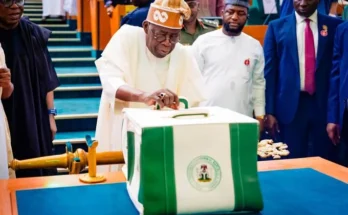
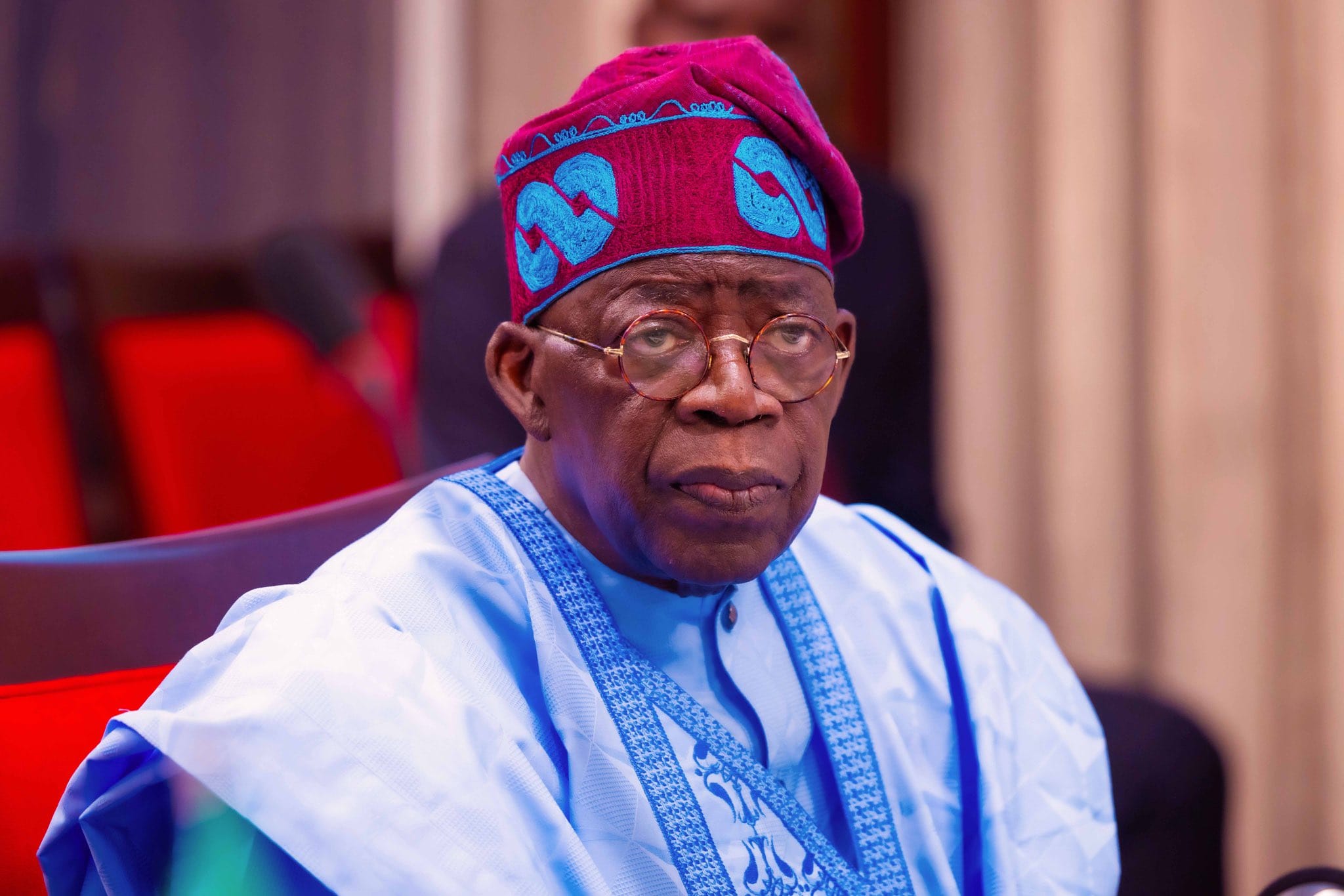
The Tinubu administration now has an opportunity to write a different ending to this story. Completing the AKK pipeline should rank among Nigeria’s highest infrastructure priorities. Beyond commissioning ceremonies, government must ensure that power plants, industrial off-takers, gas distribution networks and supporting facilities are completed simultaneously so that industries begin receiving gas immediately after the pipeline becomes operational. Otherwise, the country risks celebrating another ribbon-cutting exercise without achieving the economic transformation that justified the investment.
Northern Nigeria has waited long enough. The region deserves affordable energy to revive manufacturing, create employment, expand agriculture, strengthen small businesses and restore investor confidence. Nigeria equally needs the credibility that comes with completing strategic projects on schedule. The AKK pipeline was launched with great fanfare. It must not become another monument to broken promises.
News Credit to our media partner DailyTrust Home .