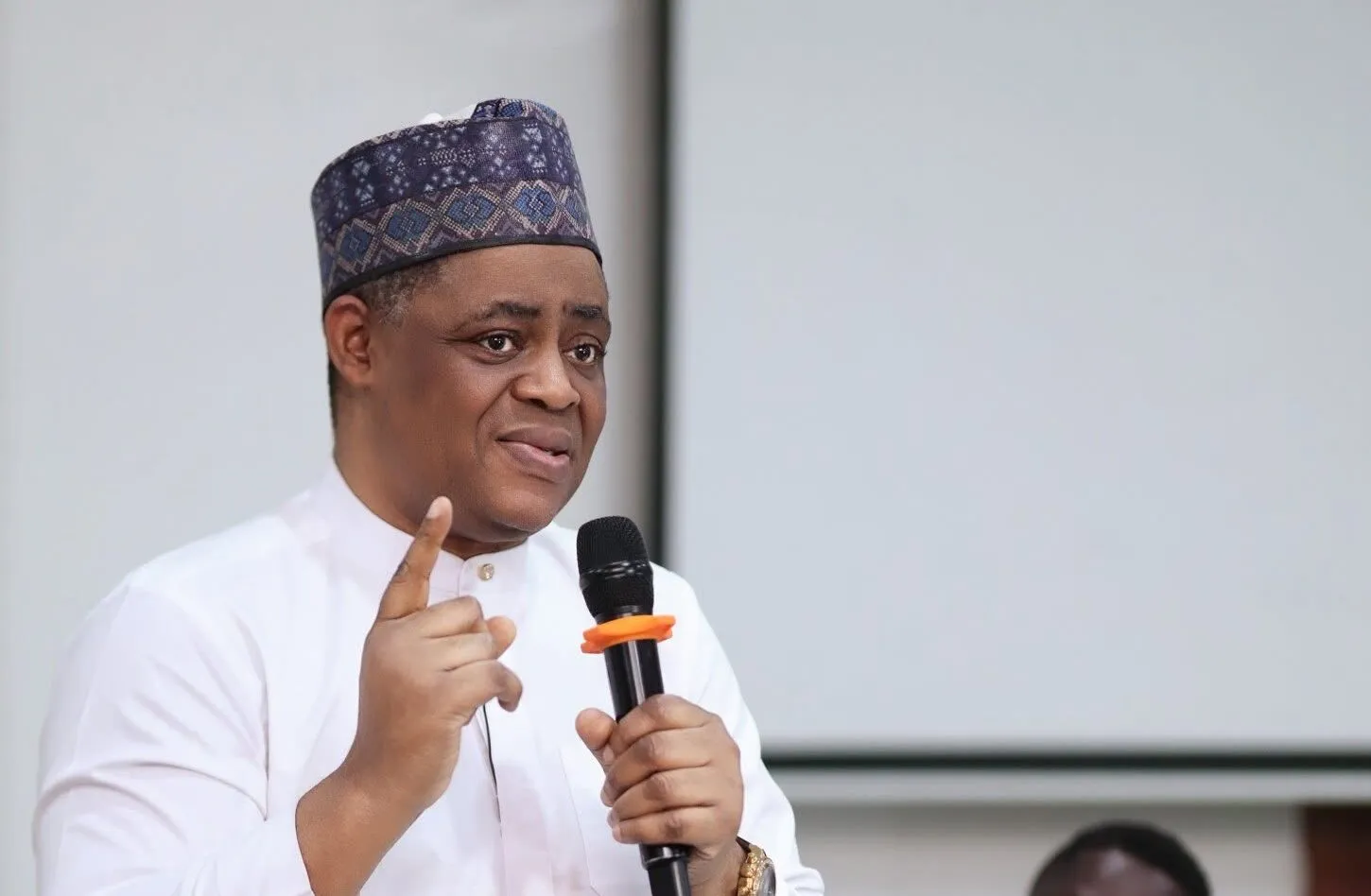
Femi Fani-Kayode, Nigeria’s High Commissioner to South Africa, has cautioned that the rising wave of xenophobic aggression directed at Nigerians and other African citizens puts the historic solidarity that enabled the end of apartheid at risk.
He recalled Nigeria’s estimated $61 billion contribution to South Africa’s liberation struggle.
He said South Africa must replace hostility towards fellow Africans with Pan-Africanism, mutual respect and cooperation.
He insisted that the country’s freedom was not achieved through the efforts of black South Africans alone.
Speaking at the inaugural Nigerian Fair held at the Nigerian Consulate in Johannesburg, Fani-Kayode said Nigeria and other African countries had made enormous sacrifices to secure South Africa’s liberation and should not have their contributions forgotten.
“It wasn’t a black South African struggle. It was a struggle that every nation in Africa, led primarily by the frontline states and Nigeria, and every decent civilised nation in the world supported,” he said.
The envoy recalled how Nigeria mobilised its citizens, including civil servants and schoolchildren, to contribute financially to the anti-apartheid campaign.
According to him, diplomatic and material assistance to liberation movements were also provided.
He cited the establishment of the Southern Africa Relief Fund, popularly known as the Mandela Tax, through which Nigerian civil servants surrendered portions of their salaries to support the African National Congress (ANC) and other anti-apartheid activities.
Nigerian schoolchildren, he added, also sacrificed their lunch money to support the struggle.
He said the country consistently championed South Africa’s liberation at the United Nations and other international platforms.
Fani-Kayode described the attacks against African migrants as a retrogressive development that contradicted the principles upon which the continent’s liberation movements were built.
“We must understand that the world is coming together as one, and we must stand together as one,” he said.
He urged South Africans to recognise that other African countries also had a stake in the progress and development of their country.
He attributed the attacks to a minority driven by Afrophobia and xenophobic sentiments.
He said perpetrators appeared to have lost sight of the historical relationship between South Africa and the rest of the continent.
The envoy called for the building of stronger bridges of friendship and mutual respect.
He argued that disagreements and provocations should not destroy the broader relationship between African countries.
He also appealed to Nigerians not to respond to hostility with retaliation, saying leaders must exercise restraint even when their citizens are offended, intimidated or killed.
Fani-Kayode, however, acknowledged growing frustration within the Nigerian government over the treatment of its citizens.
He warned that patience was wearing thin in the corridors of power.
Despite the tensions and calls by some Nigerians for a complete breakdown of relations, he ruled out severing economic ties with South Africa.
Fani-Kayode insisted that both countries must continue to pursue cooperation.
He maintained that Nigeria would remain committed to its leadership role on the continent and would continue to promote African unity.
He assured Nigerians living in South Africa that the government would do everything possible to guarantee their safety and well-being.
Nigeria was among the leading African countries that mobilised diplomatic, financial and material support for the struggle against apartheid.
The former system of institutionalised racial segregation and white minority rule lasted until the country’s first democratic elections in 1994.
Following the Sharpeville massacre of 1960, when South African security forces killed 69 people protesting against apartheid pass laws, Nigeria intensified its opposition to the regime and became a major supporter of the liberation movements.
The country established the Southern Africa Relief Fund in 1976, popularly known as the Mandela Tax, through which Nigerian workers contributed portions of their salaries to support the anti-apartheid struggle.
Students, schoolchildren and ordinary citizens also participated in the fundraising campaign.
Nigeria also provided scholarships and educational opportunities to South Africans, supported liberation movements, campaigned against apartheid at international forums and backed efforts to isolate the apartheid government diplomatically and economically.
Nigeria’s support was not restricted to rhetoric.
The country also deployed troops to support frontline African states threatened by the apartheid regime and provided assistance to countries that hosted South African liberation movements.
Apartheid formally ended with South Africa’s historic 1994 elections, which brought Nelson Mandela to power as the country’s first black president after decades of resistance and international pressure.
However, the end of apartheid has not eliminated hostility towards foreign nationals.
What You Should Know
Nigeria’s diplomatic leadership is sounding the alarm over rising xenophobic hostility in South Africa, reminding the country of Nigeria’s massive historical and financial contributions during the anti-apartheid struggle. While government patience is reportedly running thin, officials have assured that economic ties will not be severed and safety measures for Nigerians abroad remain a priority.
- Positive Impact: Reaffirms the Nigerian government’s strong commitment to protecting its citizens abroad and maintaining continental leadership.
- Potential Concerns: Continued tensions and safety risks for Nigerian nationals living in South Africa if local hostility persists.