The **Nigerian Union of Journalists (NUJ)** has announced it is drafting a bill for the **National Assembly** to establish a mandatory salary structure for media practitioners. The union believes this law is necessary to ensure journalists are fairly compensated for their essential work in safeguarding Nigeria’s democracy.
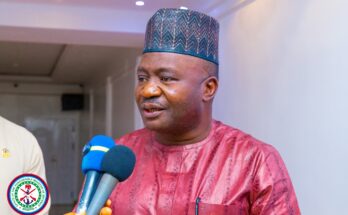
Speaking during the fourth edition of NUJ’s Annual Milestone Recognition of Media Icons in Nigeria, on Saturday, its National President, Comr. Alhassan Yahya, said the initiative is to promote media development, professional excellence and welfare of journalists.
He lamented that the profession is left behind despite contributions to sustaining democracy in Nigeria with workers contending with poor remuneration.
“NUJ is open for discussion. This time around we are integrating and involving all professional bodies who are working in to see that we come with an initiative to a bill that will be presented before the National Assembly for ratification and at the same time to change the narrative.” he said.
He also appealed to President Bola Ahmed Tinubu to intervene in the issue of poor remuneration for journalists.
“We want to sincerely appeal to His Excellency the President of this country, President Bola Ahmed Tunubu, to look into issues of remuneration for Nigerian journalists. If the President can approve and increase salary structure for judicial workers, why not journalists? The time is now. Let’s see how we can partner together so that at the end of the day we can be able to smile together.”
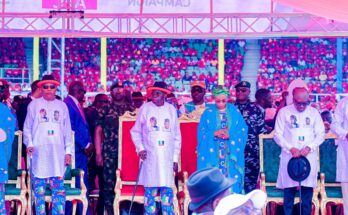
He said the event was organised to celebrate outstanding achievement in the media industry and “recognise courage, professionalism, sacrifice and unwavering commitment for the individuals who believe they have done wonderfully well and distinguish themselves into service of truth, public enlightenment and nation beauty. Today we celebrate excellence.”
Those honoured include: Martuns Oloja, Sumner Shagari Sambo, Tabutha Sani Kangiwa, Chief Eric Teniola, Segun Adeniyi, Azubuike Ishiekwene, Comr. Franz Ndulue, Kingsley Datubor Uranta, Adetoro Oladapo, among others.
Speaking at the event, Delta State Governor, Sheriff Oborevwori, said democracy depends on citizens having access to reliable information, the freedom to express their views, and the opportunity to hold public officials accountable which journalism helps to make possible.
“A free press gives citizens a voice, brings their concerns to public attention, and ensures that those in authority are answerable for their actions. This accurate reporting and informed debate, responsible journalism, also helps citizens understand public issues and make sound decisions. Democracy and journalism, therefore, depends on each other.”
He added that journalists’ sacrifices for returning Nigeria to democracy must never be forgotten.
“They remind us that the press freedom we enjoy today was secured through courage, commitment, and personal sacrifice. Our constitution recognises this responsibility.”
The immediate past President of NUJ, Christopher Isiguzo, urged the media to resist every attempt to weaponise information for political advantage.
“Our loyalty must remain to the truth, the public interest and the stability of our democracy. In an age of social media and instant communication, professional journalism is more important than ever. The pressure to be first must never replace the obligation to be accurate.”
What You Should Know
The Nigerian Union of Journalists (NUJ) is pushing for a new law that would require media organizations to pay their staff according to a fixed, legal salary scale. Currently, many media professionals face very poor remuneration despite their critical role in holding the government accountable and providing public information.
- Positive Impact: Guaranteed better pay can improve journalist morale, attract higher talent to the industry, and reduce the temptation of “brown envelope” journalism, leading to more honest and reliable reporting for the public.
- Potential Challenges: Some private media houses may struggle to afford the new salary standards, which could lead to financial pressure on smaller outlets or potential job cuts if employers cannot meet the legal requirements.