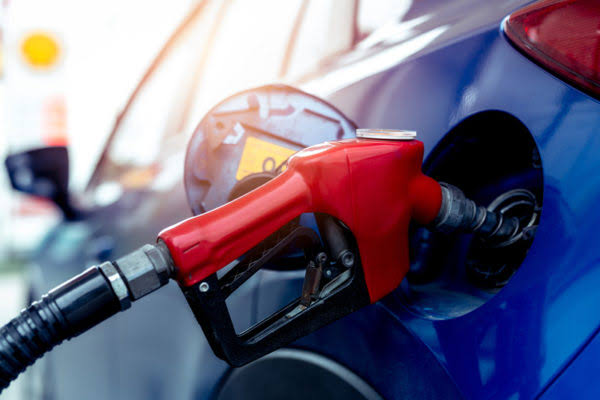
To shield citizens from mounting energy expenses, South Africa has announced a two-month extension on its current fuel price relief.
Finance Minister Enoch Godongwana announced the extension on Wednesday during the presentation of the government’s mid-year budget review.
He said the temporary relief would result in about 10 billion rand ($608.99 million) in forgone government revenue.
The extension follows an earlier reduction in the country’s fuel levy introduced to ease pressure on consumers after global oil prices surged in connection with the conflict involving Iran.
South Africa relies heavily on imported fuel, leaving the country exposed to fluctuations in international energy prices. Global oil markets have remained volatile since conflict broke out in the Middle East in late February.
Godongwana said the government’s stronger fiscal position had enabled it to provide the additional relief.
“With improved fiscal capacity, the government is in a stronger position to address current pressures, including by providing temporary relief through the fuel levy,” he said during the budget presentation.
The mid-year budget review also showed a slight improvement in South Africa’s projected consolidated budget deficit for the current financial year.
The deficit is now expected to reach 3.9 percent of gross domestic product, compared with the 4.0 percent projection contained in the government’s main budget presented in February.
What You Should Know
The South African government is stepping in once again to ease financial pressures on citizens by extending a temporary reduction on fuel levies for an additional two months. This decision, announced during the mid-year budget review, aims to counter the volatile global oil prices driven by international conflicts.
- Positive Impact: Commuters and everyday consumers will experience temporary relief at the pump, saving money on transportation and goods as government absorbs roughly 10 billion rand in forgone revenue.
- Potential Concerns: The multi-billion-rand sacrifice in government revenue means less money available for other public services and capital projects while fiscal deficits persist.