
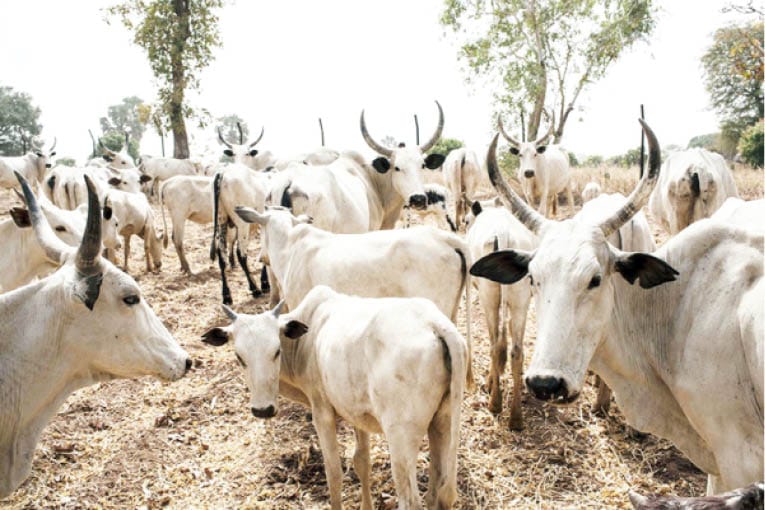
Clashes between farmers and herders continue to pose serious security and agricultural threats in Nigeria, endangering lives, ruining livelihoods, and endangering food security. Even with multiple government strategies like the National Livestock Transformation Plan, RUGA settlements, and pushed initiatives for ranching, violence persists across vulnerable communities.
More Podcasts
The latest violence in Paikon-Kore, Gwagwalada Area Council of the Federal Capital Territory, has renewed questions about why these clashes persist, the effectiveness of government interventions, and the challenges of finding a lasting solution to disputes over farmland, grazing routes and access to water.
Today on Nigeria Daily, we examine why farmer–herder clashes keep recurring despite government efforts, what has prevented ranching from becoming a widely adopted solution, and what needs to change to restore peace and prevent further violence.
What You Should Know
Persistent farmer-herder conflicts in areas like the Federal Capital Territory continue to threaten Nigeria’s food security and endanger rural communities, raising questions about why past government interventions have failed to stop the bloodshed.
- Positive Impact: Examining these root causes opens the door for constructive dialogue, better policy evaluation, and more effective long-term solutions for rural stability.
- Potential Concerns: Unresolved disputes over farmland, water access, and grazing routes could further worsen food inflation, disrupt farming seasons, and escalate community tensions.